Histamine Releasing Urticaria Screen

A blood test measuring abnormal histamine release from immune cells, used to help investigate chronic or unexplained hives (urticaria) that have not responded to standard antihistamine treatment.

Sample
Blood
Collection
Venous draw at clinic or nurse visit
Results in
10 days
Biomarkers
1
Tests for
  • Histamine Releasing Urticaria

Test specifications

Provider
Better2Know
Sample type
blood
Collection method
venous draw at clinic or nurse visit
Turnaround time
10 days
Biomarkers tested
1
At-home test
No
Doctor reviewed
No
Gender focus
Both

What's tested

1 biomarker as listed by Better2Know.

  • Histamine Releasing Urticaria

About this test

This test measures whether your immune cells are releasing histamine abnormally, from a blood sample. Histamine is a chemical involved in the itching, swelling and inflammation seen in allergic reactions, and abnormal release has been linked to chronic or recurrent hives (urticaria). The provider positions this test for people with persistent or unexplained hives, particularly if standard antihistamine treatment has not helped.

This is a single-biomarker test, and among the allergy tests we track it sits in the lower range for clinical depth, though depth matters less for a targeted test like this one than for a broad allergy panel. At £350, the price sits below the roughly £395 median for the similarly sized allergy tests we track, though we do not have a named group of directly comparable histamine-release tests from other providers.

It scores well for clarity, since the listing sets out the biomarker, sample type and turnaround clearly, but scores lower on collection convenience given the roughly ten-day turnaround, and only moderately on results and follow-up because results are not reviewed by a doctor as standard, even though the provider says the report includes recommendations for further investigation.

Who is it for?

This test may be relevant if you have persistent or unexplained hives that have not responded to standard antihistamine treatment, and you want to look into whether abnormal histamine release from your immune cells could be a contributing factor. It measures one specific marker rather than providing a broad allergy panel, so it is a targeted test rather than a general starting point if you have not yet explored more common causes.

We do not have a comparable histamine-release test from another provider to say whether a cheaper or faster alternative exists elsewhere. If you have general, undiagnosed allergy symptoms, a broader allergy panel covering multiple potential triggers may be a more useful starting point. If your hives are severe or you feel unwell, seeing a GP is also worth considering.

How it works

A trained healthcare professional takes a standard blood sample at a Better2Know clinic or during a home nurse visit. The sample is sent to the provider's laboratory, where it is analysed for abnormal histamine release from immune cells, with results stated to take around ten working days. The provider says your report shows whether your immune cells are releasing histamine abnormally, along with recommendations for further investigation. Results are not reviewed by a doctor as standard.

Pros & cons

Pros

  • Report includes recommendations for further investigation, according to the provider.
  • Clear published description of what the test measures and how it works.
  • Priced below the roughly £395 median for similarly sized allergy tests we track.
  • Home nurse visit offered as an alternative to a clinic appointment.

Cons

  • Around ten working days for results, slower than many blood tests.
  • No doctor review of results as standard.
  • Single-marker test rather than a broader allergy panel.

Our editorial score

Compare Health Test Score Single-marker urticaria screen with a ten-day wait
Editorial confidence: 9.0/10

This test measures abnormal histamine release from immune cells, a marker used to help investigate chronic or treatment-resistant hives. At £350, it sits below the roughly £395 median for similarly sized allergy tests we track, though results take around ten working days and are not reviewed by a doctor as standard.

Score breakdown

  • Clarity and documentation 9.0/10

    The listing publishes a detailed description, the full biomarker list, a stated turnaround, clear collection options, the sample type; it does not state what the report looks like.

  • Clinical depth 5.2/10

    1 biomarkers, placing it in the 12th percentile of allergy tests we track.

  • Collection convenience 4.0/10

    Requires a venous draw at a clinic; a home nurse visit is offered; results in around 10 days, slower than similar tests.

  • Results and follow-up 3.0/10

    Results are not doctor-reviewed and no consultation is included; the provider does not describe the report format.

  • Trust signals 6.5/10

    Trustpilot 4.2 from 775 reviews; CQC registered; trading 18+ years.

  • Value for money 7.1/10

    £350.00 against a median of £395.00 for the 15 similarly sized allergy tests we track (-11%).

Calculated 13 September 2026 from the facts we hold about this test and provider, using our published scoring formula. Scores are not hand-edited.

View all →

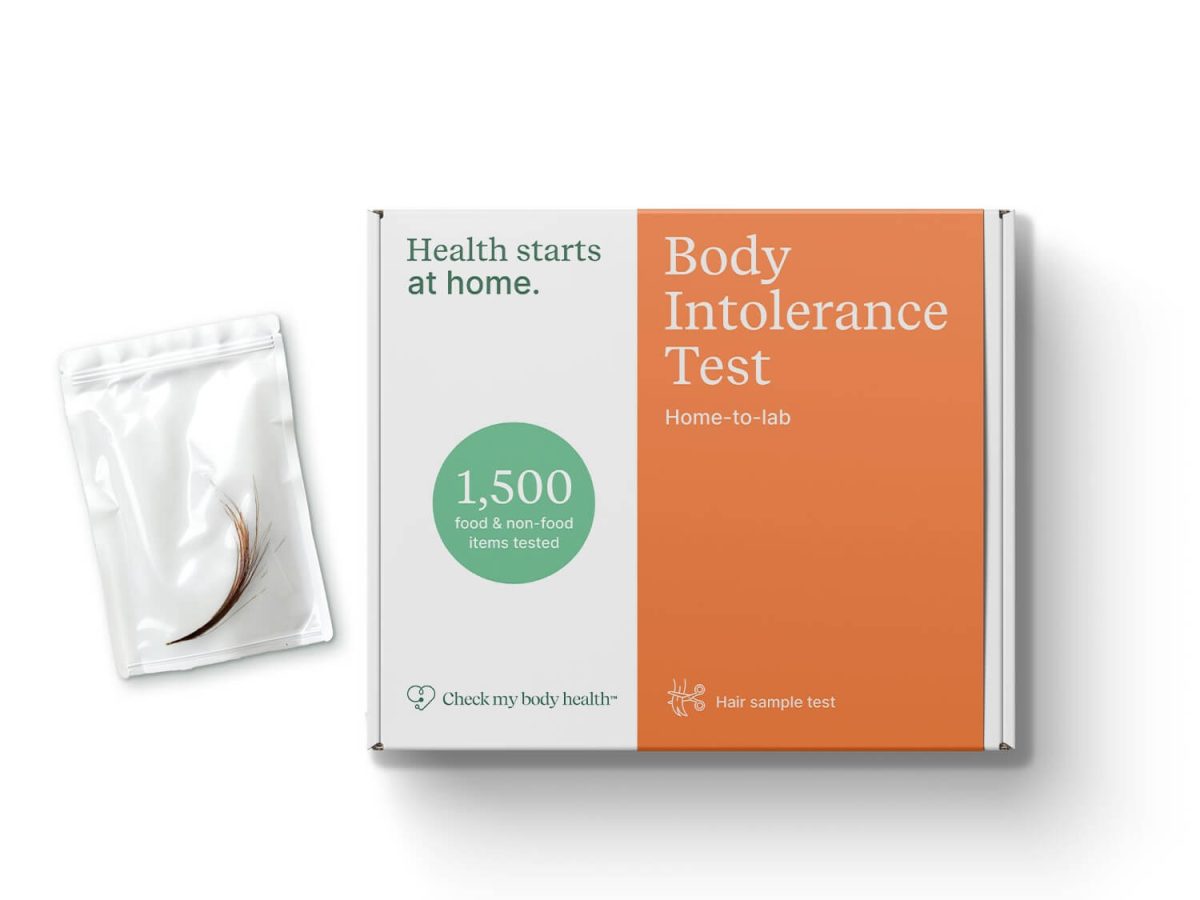
Body Intolerance Test

Most markers in its group, priced well below the median

A hair-sample test screening reactivity to 1,500 food and non-food items, intended to give informational insights into possible dietary and lifestyle triggers rather than a clinical diagnosis.

  • At-home test
8.4 / 10