Metabolic health blood test
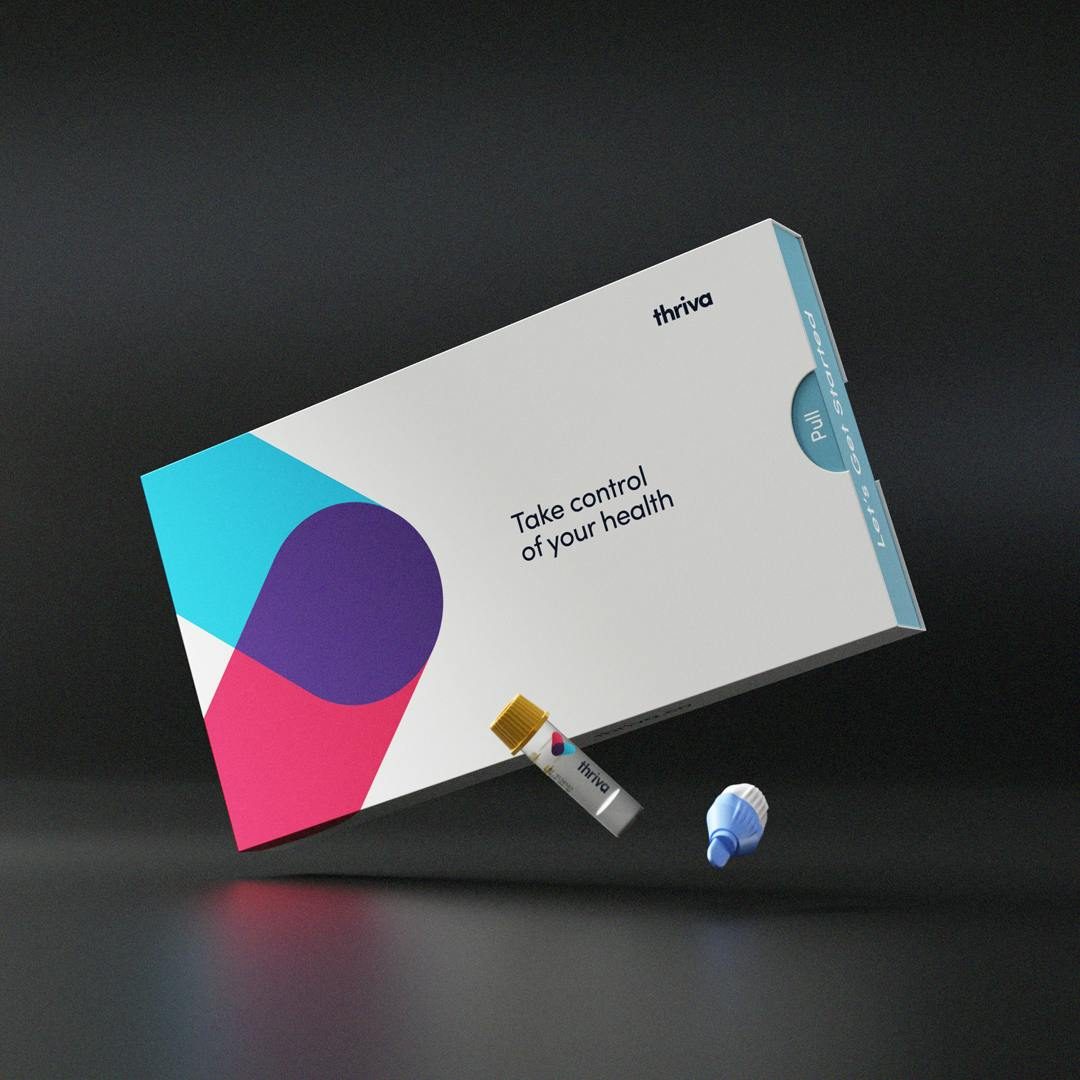
Measures 19 markers of blood sugar, cholesterol, liver, kidney and inflammation to give a broad view of metabolic health.
- At-home test
For Ozempic users (Semaglutide) to monitor essential biomarkers.
21 biomarkers as listed by Blue Horizon Medicals.
The Ozempic Monitoring Blood Test is a specialized screening profile designed for individuals prescribed Semaglutide for type 2 diabetes or off-label weight management. As a potent GLP-1 receptor agonist, Ozempic mimics natural hormones to lower blood sugar and slow digestion. While highly effective, these systemic changes require consistent oversight to ensure your metabolic transition is smooth and that your vital organs are keeping pace with your treatment plan.
What this test includes and why it matters:
Kidney Function (Urea & Electrolytes)
Inclusions: Sodium, Urea, Chloride, eGFR, Creatinine.
Why it's important: Semaglutide can lead to decreased fluid intake or fluid loss through gastrointestinal side effects. Monitoring renal markers ensures that your kidneys remain well-hydrated and are not under strain from the medication's impact on your fluid balance.
Liver Function Tests (LFTs)
Inclusions: Total Protein, Albumin, Globulin, ALP, ALT, AST, Gamma GT, Bilirubin.
Why it's important: As Ozempic facilitates weight loss and improves insulin sensitivity, your liver undergoes significant metabolic shifts. Regular LFTs track how your liver enzymes respond to these changes and screen for any rare biliary issues associated with rapid weight reduction.
Lipid Profile
Inclusions: Total Cholesterol, Triglycerides, HDL, HDL%, LDL, Non-HDL.
Why it's important: Ozempic is often prescribed to reduce cardiovascular risk. This profile documents the improvement in your cholesterol ratios and triglyceride levels, providing tangible proof of the medication's heart-protective benefits.
HbA1c (Long-term Blood Sugar)
Why it's important: This is the primary metric for Ozempic's efficacy. It provides a 3-month average of your glycaemic control, allowing you to see exactly how much the medication is stabilizing your blood sugar levels.
Lipase
Why it's important: Because Ozempic stimulates the pancreas to release insulin, monitoring Lipase is a proactive safety measure. It helps detect any early signs of pancreatic inflammation, ensuring your treatment remains safe.
When this test should be taken:
When to test: We recommend a baseline test before your first dose, followed by a re-check every 3 months or whenever you increase your dosage.
Description provided by Blue Horizon Medicals.
The listing publishes a detailed description, the full biomarker list, a stated turnaround, clear collection options, the sample type; it does not state what the report looks like.
21 biomarkers, placing it in the 78th percentile of metabolism tests we track.
Requires a venous draw at a clinic; a home nurse visit is offered; results within 5 days.
Results are reviewed by a doctor.
Trustpilot 4.2 from 395 reviews; accredited lab (UKAS ISO 15189 partner labs); trading 17+ years.
£129.75 against a median of £124.38 for the 14 similarly sized metabolism tests we track (+4%).
Measures 19 markers of blood sugar, cholesterol, liver, kidney and inflammation to give a broad view of metabolic health.
A single-marker blood test measuring uric acid, used to help monitor gout risk and related joint, kidney and metabolic health.
Checks cholesterol (including HDL, LDL and triglycerides), blood sugar control (HbA1c) and inflammation (CRP), markers linked to heart and metabolic health. Suited to anyone wanting a wider check on these risk factors rather than a single cholesterol test.
Gain key insights into your metabolic health and identify if there are any potential barriers impacting your weight loss journey.