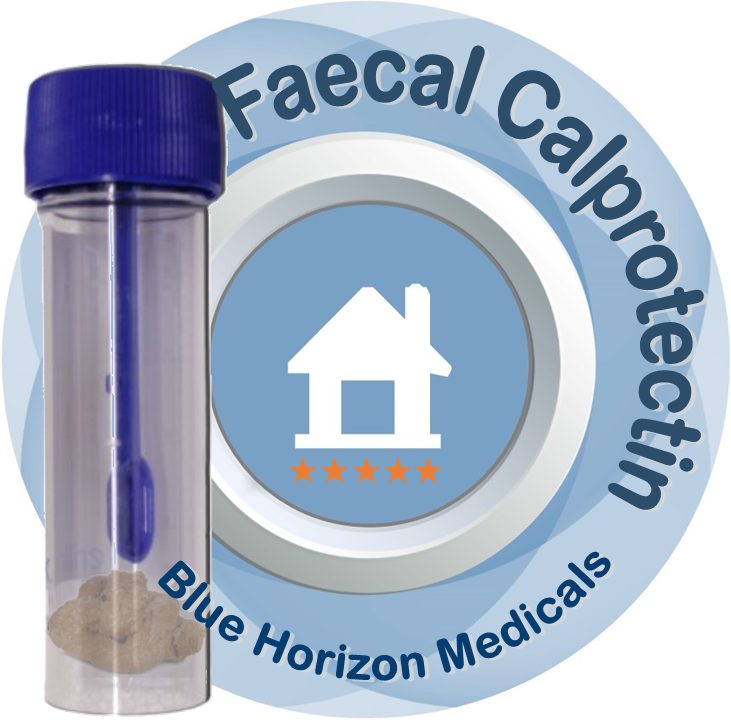
This test detects faecal calprotectin, released in response to bowel inflammation, in stool. The test uses a self-collection kit with instructions on how to collect a sample at home.
Calprotectin is a protein made in response to inflammation in the body. A stool calprotectin test specifically detects the presence of calprotectin in your stool, which can indicate bowel inflammation. This makes it a helpful diagnostic test in diagnosing inflammatory bowel disease (IBD) and distinguishing it from irritable bowel syndrome (IBS), which can cause similar symptoms.
A calprotectin test can also be used to monitor the efficacy of IBD treatment, ensuring that your treatment plan is effectively managing inflammation. It can also prevent the necessity of endoscopy procedures for many patients, saving them from the distress of more invasive procedures.
At Bluecrest Wellness, our private calprotectin test is a quick, easy, and non-invasive way to assess the presence of calprotectin in your stool. Explore our packages and book online today.
What is a faecal calprotectin test?
A faecal calprotectin test is a helpful and non-invasive diagnostic tool that can help diagnose and monitor inflammatory bowel diseases (IBD), like Crohn's disease and ulcerative colitis.
Calprotectin is a protein made in response to inflammation in the body. High levels of calprotectin in a stool sample can indicate IBD.
As IBD and irritable bowel syndrome (IBS) can present with similar symptoms like stomach discomfort, cramps, and watery diarrhoea, a stool calprotectin test is a useful tool to help provide a clear diagnosis. People with IBD not receiving any treatment for the condition will have higher than normal levels of calprotectin present in their stool sample due to inflammation of the bowel, whereas people with IBS will have lower levels.
Why should I have a calprotectin test?
A private calprotectin test is a non-invasive test that can help diagnose and monitor IBD. You should consider having a calprotectin test if you experience recurrent bouts of watery diarrhoea, as well as any of the below:
- Fatigue
- Constipation
- Bloating or wind
- Feeling an urgent need to move your bowels
- Always feeling like you need to move your bowels even when there is no stool
- Stomach pain or cramps
- Weight loss without trying
- Joint problems
Description provided by Bluecrest Wellness.