Peripheral Arterial Disease

An ankle-brachial pressure index (ABPI) measurement comparing blood pressure in the ankle and arm, used to help assess peripheral arterial disease risk in the legs.

Collection
In-person measurement at local venue
Biomarkers
1
Doctor reviewed
No
Tests for
  • Ankle brachial pressure index (ABPI)

Test specifications

Sample type
unknown
Collection method
in-person measurement at local venue
Turnaround time
Not specified
Biomarkers tested
1
At-home test
No
Doctor reviewed
No
Gender focus
Both

What's tested

1 biomarker as listed by Bluecrest Wellness.

  • Ankle brachial pressure index (ABPI)

About this test

This test uses the Ankle-Brachial Pressure Index (ABPI) method, comparing blood pressure readings from your ankle and your arm using sensors and an electronic cuff. A meaningful difference between the two readings can indicate peripheral arterial disease (PAD), a narrowing of the arteries in the limbs that reduces blood flow. Bluecrest restricts this test to people over 40.

As a single physical measurement rather than a blood panel, it places in the 20th percentile for clinical depth among the heart health tests we track. On price, it does better: at £82, it costs 34% less than the £125 median for the 27 similarly sized heart tests in our data.

Clarity is only partial: the listing describes what the test involves in detail, but Bluecrest does not state a turnaround time, the sample type, or what the results report looks like. As with most of Bluecrest's individual tests, there is no doctor review included as standard.

Who is it for?

This suits you if you are over 40 and want a straightforward check for signs of reduced blood flow to your legs, particularly alongside other heart health risk factors such as high blood pressure, diabetes or smoking. It is not offered to people under 40. If you experience leg pain when walking, numbness, or wounds that heal slowly, mention these to your GP directly rather than waiting on a private test result.

How it works

This is an in-person measurement rather than a blood sample: sensors and an electronic cuff compare blood pressure between your ankle and your arm while you lie down, taken by a trained health assessment specialist at a local Bluecrest venue. Bluecrest does not state how long results take to come back. There is no doctor review included as standard.

Pros & cons

Pros

  • At £82, it costs 34% less than the £125 median for the heart health tests we track.
  • Non-invasive measurement with no blood sample needed.
  • Detailed description of what the ABPI method checks and why it matters.

Cons

  • Bluecrest does not state a turnaround time or what the results report looks like.
  • Only offered to people over 40.
  • No doctor review is included as standard.

Our editorial score

Compare Health Test Score Below-average price for a heart-related physical measurement
Editorial confidence: 9.0/10

At £82, this ABPI test costs 34% less than the £125 median for the heart health tests we track. It compares blood pressure between your ankle and arm to help assess peripheral arterial disease risk, is only offered to people over 40, and Bluecrest does not state a turnaround time for the result.

Score breakdown

  • Clarity and documentation 7.0/10

    The listing publishes a detailed description, the full biomarker list, clear collection options; it does not state a turnaround time, the sample type, what the report looks like.

  • Clinical depth 5.7/10

    1 biomarkers, placing it in the 20th percentile of heart health tests we track.

  • Collection convenience 3.0/10

    Requires a visit to a clinic.

  • Results and follow-up 3.0/10

    Results are not doctor-reviewed and no consultation is included; the provider does not describe the report format.

  • Trust signals 9.5/10

    Trustpilot 4.7 from 6,787 reviews; accredited lab (UKAS ISO 15189 own lab); CQC registered; trading 14+ years.

  • Value for money 8.2/10

    £82.00 against a median of £125.00 for the 27 similarly sized heart health tests we track (-34%).

Calculated 13 September 2026 from the facts we hold about this test and provider, using our published scoring formula. Scores are not hand-edited.

View all →

Cardiovascular health blood test

Broad 21-marker check across heart, liver and kidneys

A 21-marker blood test covering cholesterol and apolipoproteins, blood sugar, inflammation, liver and kidney health. It suits anyone wanting a fuller cardiovascular risk picture than standard cholesterol alone.

  • At-home test
8.6 / 10

Cholesterol (Lipid profile)

Ties for the most markers in its group, priced mid-pack

A seven-marker lipid profile covering total, HDL, LDL and non-HDL cholesterol plus triglycerides. It suits anyone monitoring their cholesterol as part of general heart health.

  • At-home test
8.6 / 10

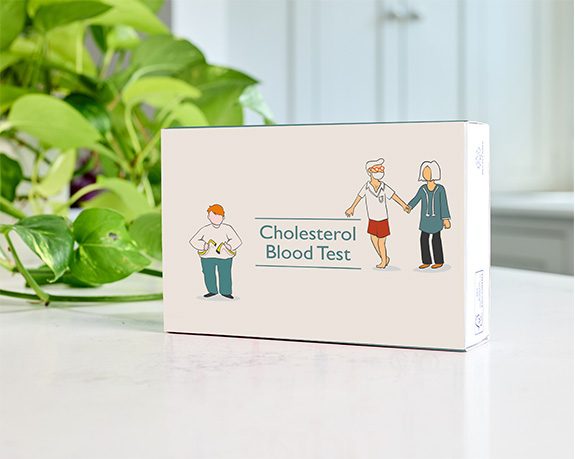
Cholesterol Blood Test

Full 7-marker lipid panel, priced above cheaper peers

A 7-marker cholesterol and lipid panel covering total, HDL, LDL and non-HDL cholesterol, triglycerides and cholesterol ratios, for anyone tracking heart disease risk factors.

  • At-home test
8.5 / 10