Breast & Ovarian Cancer Risk

A genetic blood test screening 10 genes including BRCA1 and BRCA2 for inherited breast and ovarian cancer risk, with a doctor-reviewed consultation.

  • Doctor reviewed
  • Female
Sample
Blood
Collection
Venous draw at clinic
Results in
42 days
Biomarkers
10
Doctor reviewed
Yes
Tests for
  • ATM
  • BRCA1
  • BRCA2
  • CDH1
  • CHEK2
  • PALB2
  • PTEN
  • RAD51C
  • RAD51D
  • TP53

Test specifications

Sample type
blood
Collection method
venous draw at clinic
Turnaround time
42 days
Biomarkers tested
10
At-home test
No
Doctor reviewed
Yes
Gender focus
Female

What's tested

10 biomarkers as listed by Randox Health.

  • ATM
  • BRCA1
  • BRCA2
  • CDH1
  • CHEK2
  • PALB2
  • PTEN
  • RAD51C
  • RAD51D
  • TP53

About this test

This test looks for mutations across 10 genes, including BRCA1 and BRCA2, that are associated with an increased inherited risk of breast and ovarian cancer. A mutation in these genes is a marker commonly used to assess hereditary risk; the provider notes a positive result can also have implications for close family members, who may be offered testing themselves.

With 10 biomarkers, it scores well for clinical depth among the cancer screening tests we track. As with Randox's other genetic cancer panels, there are no named peer tests in our data for this specific combination, so the value-for-money score reflects the lack of comparable pricing data rather than a judgement on whether £594 is reasonable.

It scores well on results and follow-up, since results are reviewed by a doctor, and includes a genetic counsellor consultation beforehand. Collection convenience is lower, reflecting the venous draw and roughly 6-week wait for results.

Who is it for?

This suits people with a family history of breast or ovarian cancer who want to understand their inherited genetic risk, particularly around the BRCA genes, with a genetic counsellor and doctor involved in the process. The provider offers a £100 counselling call beforehand, deducted from the test cost if you proceed. Given the cost and the personal and family implications of a positive result, it is worth discussing with your GP first.

How it works

A blood sample is taken by venous draw at a Randox clinic and analysed for mutations across 10 genes. The provider states it will make contact within 6 weeks to arrange a results consultation, reviewed by a doctor.

Pros & cons

Pros

  • Screens 10 genes including BRCA1 and BRCA2 for inherited cancer risk
  • Results are reviewed by a doctor as part of a consultation
  • Includes access to a genetic counsellor before testing

Cons

  • Results take around 6 weeks
  • £594 cost with no comparable named tests in our data to benchmark against
  • Requires a venous draw at a clinic

Our editorial score

Compare Health Test Score 10-gene BRCA panel with a doctor review
Editorial confidence: 10.0/10

Score breakdown

  • Clarity and documentation 9.0/10

    The listing publishes a detailed description, the full biomarker list, a stated turnaround, clear collection options, the sample type; it does not state what the report looks like.

  • Clinical depth 9.0/10

    10 biomarkers, placing it in the 75th percentile of cancer screening tests we track.

  • Collection convenience 3.0/10

    Requires a venous draw at a clinic; results in around 42 days.

  • Results and follow-up 7.0/10

    Results are reviewed by a doctor.

  • Trust signals 9.0/10

    Trustpilot 4.6 from 29,705 reviews; accredited lab (UKAS ISO 15189 (Randox Clinical Laboratory Services, lab 9329)); CQC registered.

  • Value for money 6.0/10

    £594.00; no comparable tests to benchmark against yet.

View all →

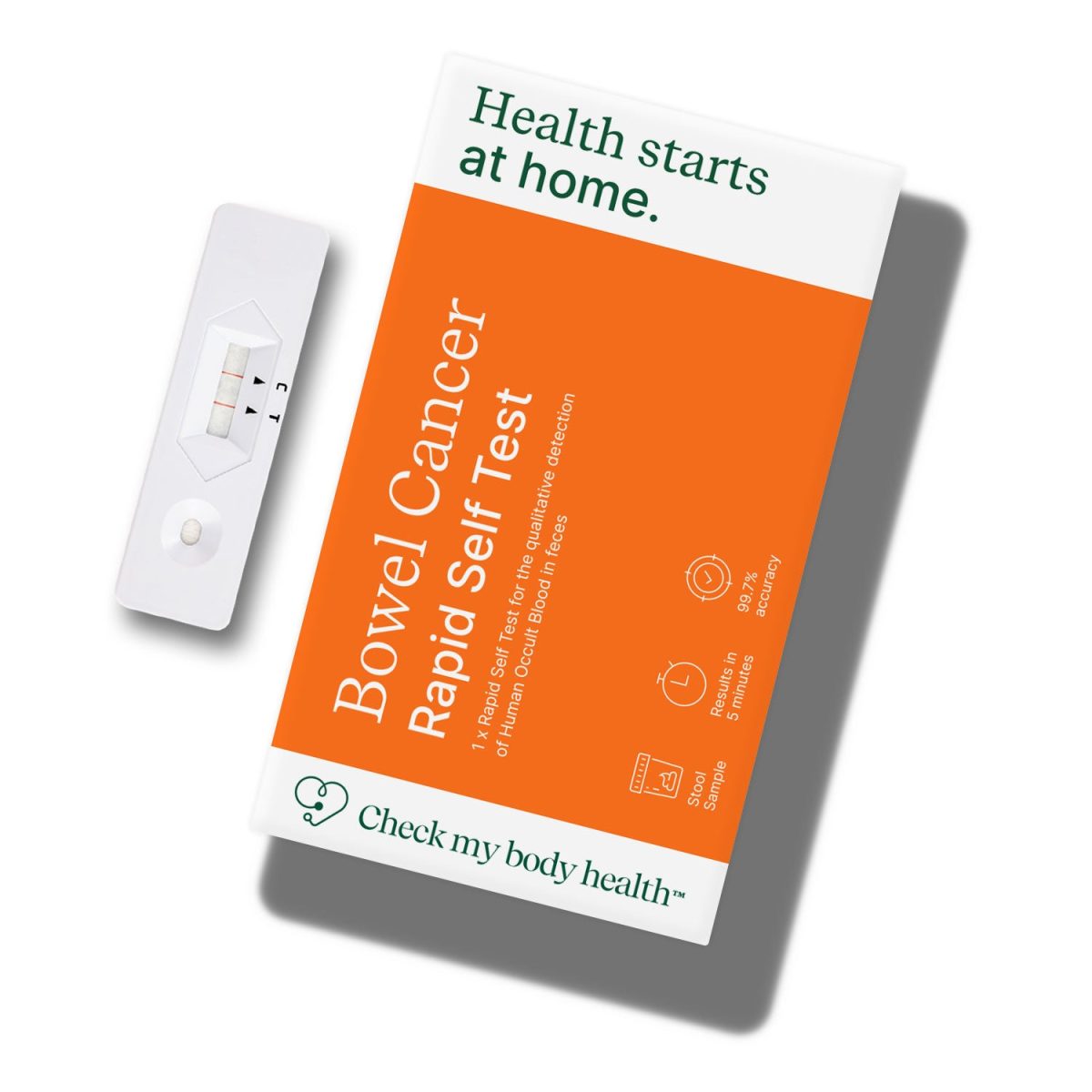
qFIT Bowel Cancer Screening Test

A stool test using the qFIT method to measure blood in a stool sample, giving a numerical result rather than a simple positive or negative. Suited to adults wanting to check a common early indicator of possible bowel cancer risk.

  • At-home test
8.1 / 10 Priced close to the FIT test group median

qFIT Bowel Health Test

A stool-based qFIT test that checks for hidden blood in your stool, often used to help investigate bowel symptoms or as part of screening.

  • At-home test
7.9 / 10 Mid-priced qFIT test, near the group median