Lactose Intolerance Risk

A genetic blood test that checks two variants in the MCM6 gene linked to how well your body produces lactase, the enzyme that helps digest lactose. Suited to anyone with a family history of lactose intolerance or symptoms after dairy.

Sample
Blood
Collection
Venous draw at clinic
Results in
7 days
Biomarkers
2
Tests for
  • C13910T
  • G22018A

Test specifications

Sample type
blood
Collection method
venous draw at clinic
Turnaround time
7 days
Biomarkers tested
2
At-home test
No
Doctor reviewed
No
Gender focus
Both

What's tested

2 biomarkers as listed by Randox Health.

  • C13910T
  • G22018A

About this test

The test looks at two variants, C13910T and G22018A, in the MCM6 gene. These affect how well your body keeps producing lactase, the enzyme that breaks down lactose, into adulthood, which is why they are used to assess inherited risk of lactose intolerance. It does not test for other food intolerances or measure lactase activity directly.

Among the allergy and intolerance tests we track, a two-marker panel puts this in the lower-middle range for clinical depth, since some intolerance tests screen for a wider set of variants or foods. Where this test stands out is price: at £108 it comes in well below the typical cost of similarly positioned allergy and intolerance tests on the market.

The overall score is held back mainly by collection and follow-up. You need a venous blood draw at a clinic rather than a home kit, and results are not reviewed by a doctor as standard, so you would need to interpret them yourself or take them to your GP. Documentation scores well, since Randox states the markers tested, the sample type and a clear turnaround time.

Who is it for?

This suits you if lactose intolerance runs in your family, or you get bloating, gas or stomach pain after dairy and want to check for a genetic explanation before making dietary changes. Because it only looks at two variants, it will not identify intolerance caused by other genes or non-genetic factors, and a negative result does not rule out lactose intolerance from other causes.

If you want a doctor to talk through the result with you, or you are also concerned about wider food intolerances, you may be better served by a broader intolerance panel with doctor review included, since this Randox test does not include one as standard.

How it works

You attend a clinic for a venous blood draw, which Randox sends to its lab for DNA analysis of the two MCM6 variants, C13910T and G22018A. Results are provided within around 7 days of the sample reaching the lab. The provider does not state that results are reviewed by a doctor as standard, so check this when you book if that matters to you.

Pros & cons

Pros

  • Checks two specific genetic variants (C13910T and G22018A) linked to lactase production.
  • Priced well below the typical cost of similar allergy and intolerance tests we track.
  • Randox states the two markers, sample type and turnaround clearly.
  • Results are returned in about 7 days.

Cons

  • Covers only two genetic variants, not a broader food intolerance panel.
  • Requires a venous blood draw at a clinic rather than a home kit.
  • No doctor review of your genetic result as standard, so you interpret it yourself or take it to your GP.

Our editorial score

Compare Health Test Score Low-cost genetic check for two lactose intolerance markers
Editorial confidence: 9.0/10

Randox's genetic screen checks two variants in the MCM6 gene linked to lactose intolerance, rather than testing for a broader range of food intolerances. At £108 it requires a venous blood draw at a clinic and results come back within about a week. The main trade-off is that it only covers two markers and results are not reviewed by a doctor as standard.

Score breakdown

  • Clarity and documentation 9.0/10

    The listing publishes a detailed description, the full biomarker list, a stated turnaround, clear collection options, the sample type; it does not state what the report looks like.

  • Clinical depth 6.5/10

    2 biomarkers, placing it in the 33rd percentile of allergy tests we track.

  • Collection convenience 3.0/10

    Requires a venous draw at a clinic; results in around 7 days, slower than similar tests.

  • Results and follow-up 3.0/10

    Results are not doctor-reviewed and no consultation is included; the provider does not describe the report format.

  • Trust signals 9.0/10

    Trustpilot 4.6 from 29,705 reviews; accredited lab (UKAS ISO 15189 (Randox Clinical Laboratory Services, lab 9329)); CQC registered.

  • Value for money 10.0/10

    £108.00 against a median of £395.00 for the 15 similarly sized allergy tests we track (-73%).

Calculated 13 September 2026 from the facts we hold about this test and provider, using our published scoring formula. Scores are not hand-edited.

View all →

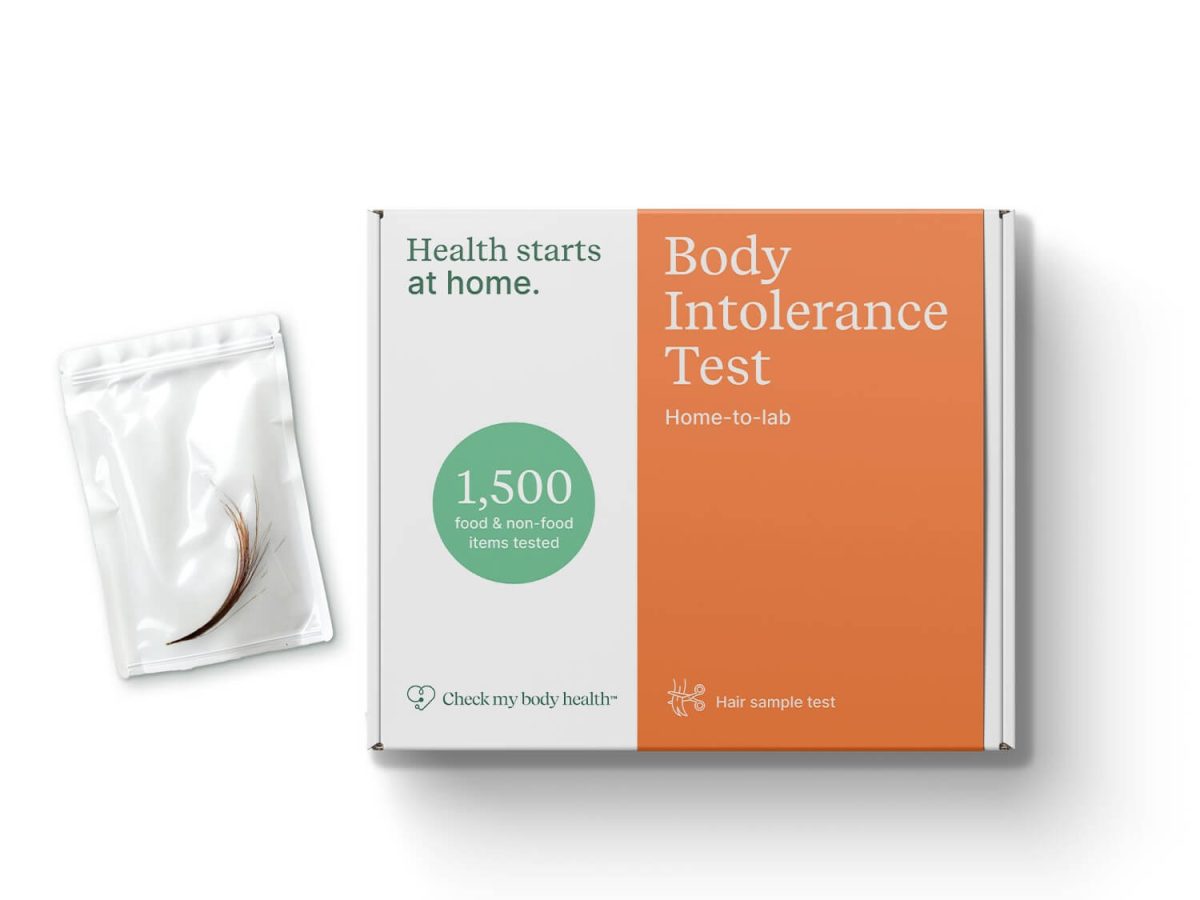
Body Intolerance Test

Most markers in its group, priced well below the median

A hair-sample test screening reactivity to 1,500 food and non-food items, intended to give informational insights into possible dietary and lifestyle triggers rather than a clinical diagnosis.

  • At-home test
8.4 / 10