Prostate Cancer Risk Test

This blood test analyses 14 genes associated with inherited prostate cancer risk, including BRCA1 and BRCA2, and suits men with a family history of prostate, breast or ovarian cancer.

  • Doctor reviewed
  • Male
Sample
Blood
Collection
Venous draw at clinic
Results in
42 days
Biomarkers
14
Doctor reviewed
Yes
Tests for
  • ATM
  • BRCA1
  • BRCA2
  • CHEK2
  • EPCAM
  • HOXB13
  • MLH1
  • MSH2
  • MSH6
  • NBN
  • PALB2
  • PMS2
  • +2 more

Test specifications

Sample type
blood
Collection method
venous draw at clinic
Turnaround time
42 days
Biomarkers tested
14
At-home test
No
Doctor reviewed
Yes
Gender focus
Male

What's tested

14 biomarkers as listed by Randox Health.

  • ATM
  • BRCA1
  • BRCA2
  • CHEK2
  • EPCAM
  • HOXB13
  • MLH1
  • MSH2
  • MSH6
  • NBN
  • PALB2
  • PMS2
  • RAD51D
  • TP53

About this test

This test analyses 14 genes, including BRCA1, BRCA2 and several genes involved in DNA repair such as CHEK2, MLH1, MSH2, MSH6 and PMS2, for mutations linked to a higher inherited risk of prostate cancer. The provider notes that a family history of prostate, breast or ovarian cancer can point to this kind of genetic risk, and is clear that carrying one of these gene changes raises the chance of developing prostate cancer without making it certain.

There is no comparison group set up for this test yet, so we cannot say how its price or depth stacks up against rival hereditary cancer panels. It stands on its own facts: 14 genes, a venous blood sample, and a doctor review built into the results process.

The scorecard reflects a well-documented product: clinical depth is strong, with 14 biomarkers placing it in the 82nd percentile of the cancer screening tests we track, and the listing is clear about the genes covered, the sample type and the turnaround. Results and follow-up score reasonably well because a doctor reviews the results. Collection convenience is the weak point, since it needs a clinic visit and takes around six weeks, and value for money is only middling at £594 with nothing yet to benchmark it against.

Who is it for?

This suits men with a family history of prostate cancer, or of breast or ovarian cancer in the family, who want to understand whether an inherited gene change could be contributing to their risk. Because a mutation does not guarantee you will develop prostate cancer, it works best alongside a conversation with a clinician about what a result would mean for you. If you are unsure whether genetic testing is the right step, the provider offers a paid phone consultation with a genetic counsellor before you commit to a test.

How it works

You give a venous blood sample at a Randox Health clinic. The lab analyses the sample for mutations across the 14 genes covered by the panel, and a doctor reviews the results before you receive them. The provider states results take around six weeks, after which Randox contacts you to arrange a results consultation.

Pros & cons

Pros

  • Screens 14 genes linked to inherited prostate cancer risk, including BRCA1 and BRCA2
  • Results are reviewed by a doctor before you receive them
  • Also covers genes tied to breast and ovarian cancer risk, relevant if either runs in the family
  • Optional paid consultation with a genetic counsellor if you are unsure which test to choose

Cons

  • Requires a venous draw at a Randox clinic rather than an at-home kit
  • Turnaround is around six weeks, one of the slower waits among the tests we track
  • At £594 this is one of the pricier tests we cover, with no peer panel yet to compare it against
  • Provider does not state what the results report itself looks like

Our editorial score

Compare Health Test Score 14-gene hereditary risk panel with doctor-reviewed results
Editorial confidence: 10.0/10

Score breakdown

  • Clarity and documentation 9.0/10

    The listing publishes a detailed description, the full biomarker list, a stated turnaround, clear collection options, the sample type; it does not state what the report looks like.

  • Clinical depth 9.4/10

    14 biomarkers, placing it in the 82nd percentile of cancer screening tests we track.

  • Collection convenience 3.0/10

    Requires a venous draw at a clinic; results in around 42 days.

  • Results and follow-up 7.0/10

    Results are reviewed by a doctor.

  • Trust signals 9.0/10

    Trustpilot 4.6 from 29,705 reviews; accredited lab (UKAS ISO 15189 (Randox Clinical Laboratory Services, lab 9329)); CQC registered.

  • Value for money 6.0/10

    £594.00; no comparable tests to benchmark against yet.

View all →

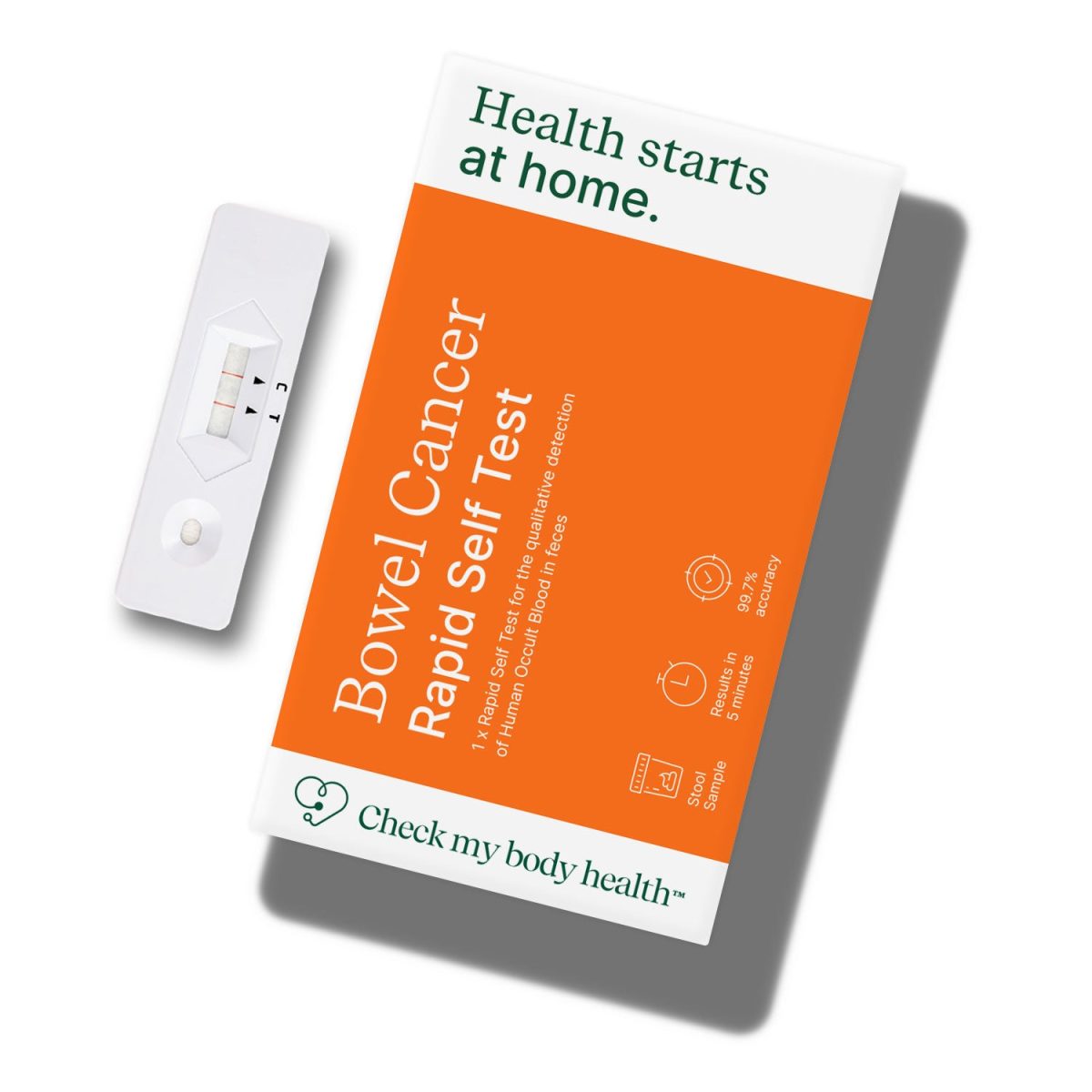
qFIT Bowel Cancer Screening Test

A stool test using the qFIT method to measure blood in a stool sample, giving a numerical result rather than a simple positive or negative. Suited to adults wanting to check a common early indicator of possible bowel cancer risk.

  • At-home test
8.1 / 10 Priced close to the FIT test group median

qFIT Bowel Health Test

A stool-based qFIT test that checks for hidden blood in your stool, often used to help investigate bowel symptoms or as part of screening.

  • At-home test
7.9 / 10 Mid-priced qFIT test, near the group median