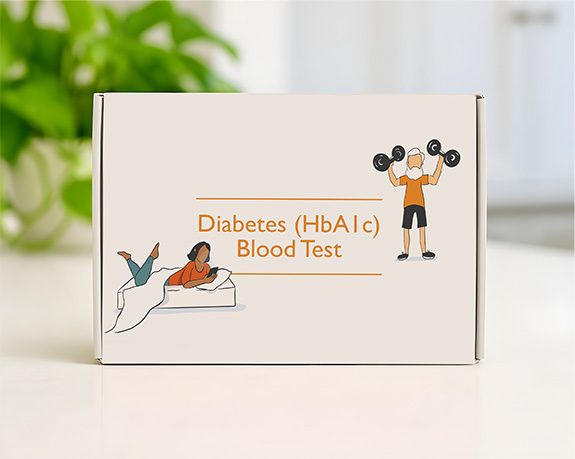
Diabetes (HbA1c) Blood Test

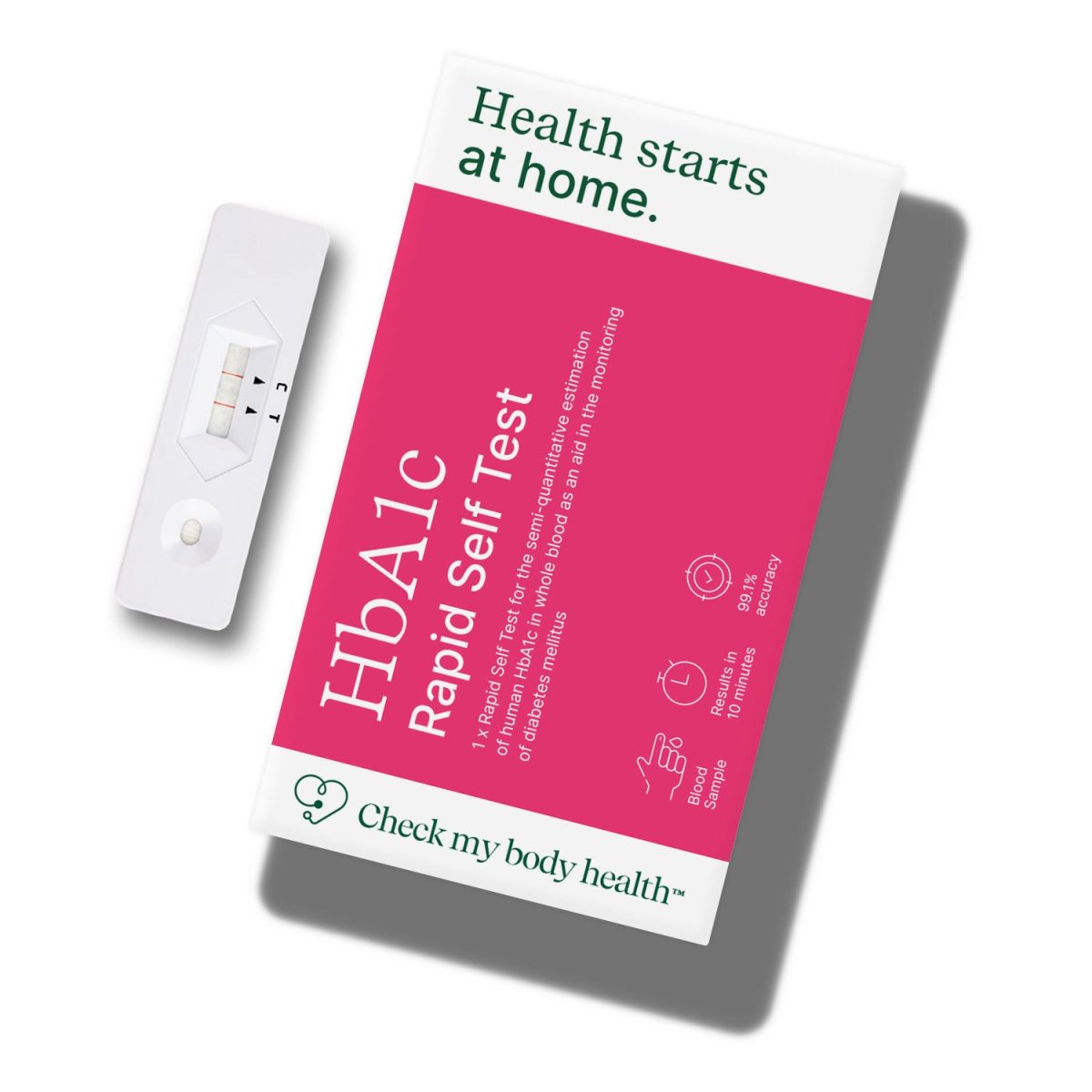
This single-marker blood test measures HbA1c, your average blood sugar over roughly the past two to three months, used to help flag pre-diabetes and type 2 diabetes risk. Suits anyone with risk factors or symptoms wanting a quick check.

  • At-home test
  • Doctor reviewed
Sample
Blood
Collection
At-home finger-prick or in-store clinic or home nurse visit or venous draw at clinic
Results in
3 days
Biomarkers
1
Doctor reviewed
Yes
Tests for
  • HbA1c

Test specifications

Provider
Medichecks
Sample type
blood
Collection method
at-home finger-prick or in-store clinic or home nurse visit or venous draw at clinic
Turnaround time
3 days
Biomarkers tested
1
At-home test
Yes
Doctor reviewed
Yes
Gender focus
Both

What's tested

1 biomarker as listed by Medichecks.

Diabetes

  • HbA1c

About this test

HbA1c reflects your average blood sugar level over roughly the past two to three months, and is commonly used to assess risk of pre-diabetes and type 2 diabetes, particularly if you have a family history, are carrying extra weight, or have symptoms such as unusual thirst or fatigue.

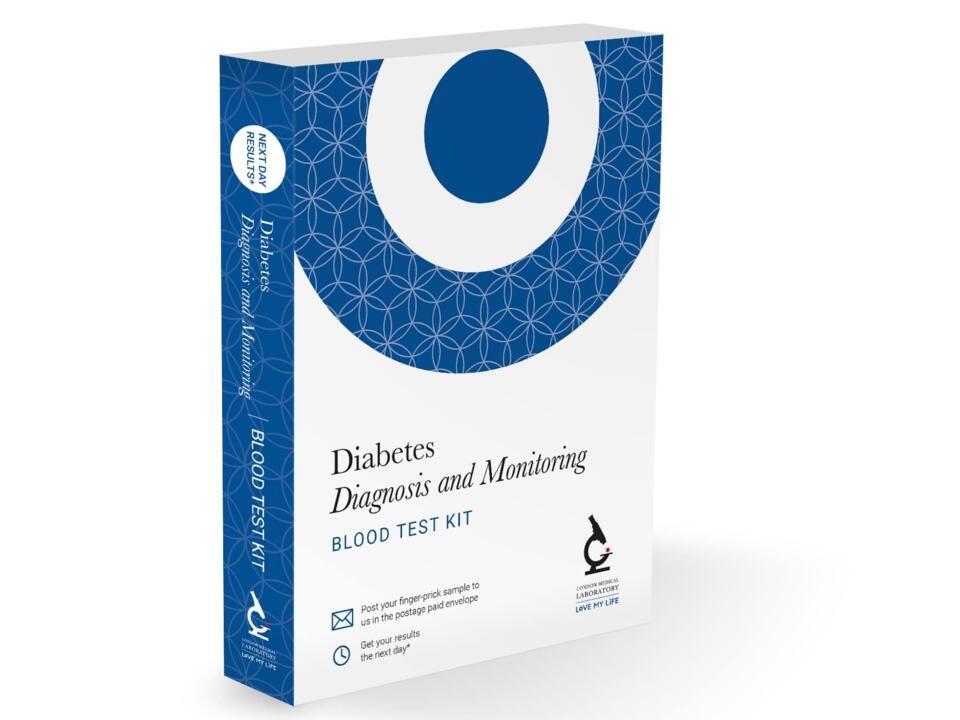
Against the eight HbA1c tests in this comparison group, £46 sits exactly at the group median. Monitor My Health (£32), London Medical Laboratory (£45) and Blue Horizon Medicals (£45.25) all undercut it slightly, while Forth matches it at £46 and Thriva (£51.30), Selph (£54) and Bluecrest Wellness (£65) all cost more. Medichecks also sells the same single HbA1c marker under its Driver's Lifestyle Blood Test at £85, so there is no reason to pay more for the same result from the same provider.

Clinical depth scores reasonably well because a single-marker test is judged here on doing exactly what it sets out to do rather than on breadth. Value for money is middling because the price lands on the median rather than below it, and results and follow-up scores well because every result comes with a doctor's comment.

Who is it for?

This suits you if you specifically want to check HbA1c, for example to monitor blood sugar trends over time or because a GP or lifestyle factor has flagged diabetes risk, without paying for a wider metabolic panel.

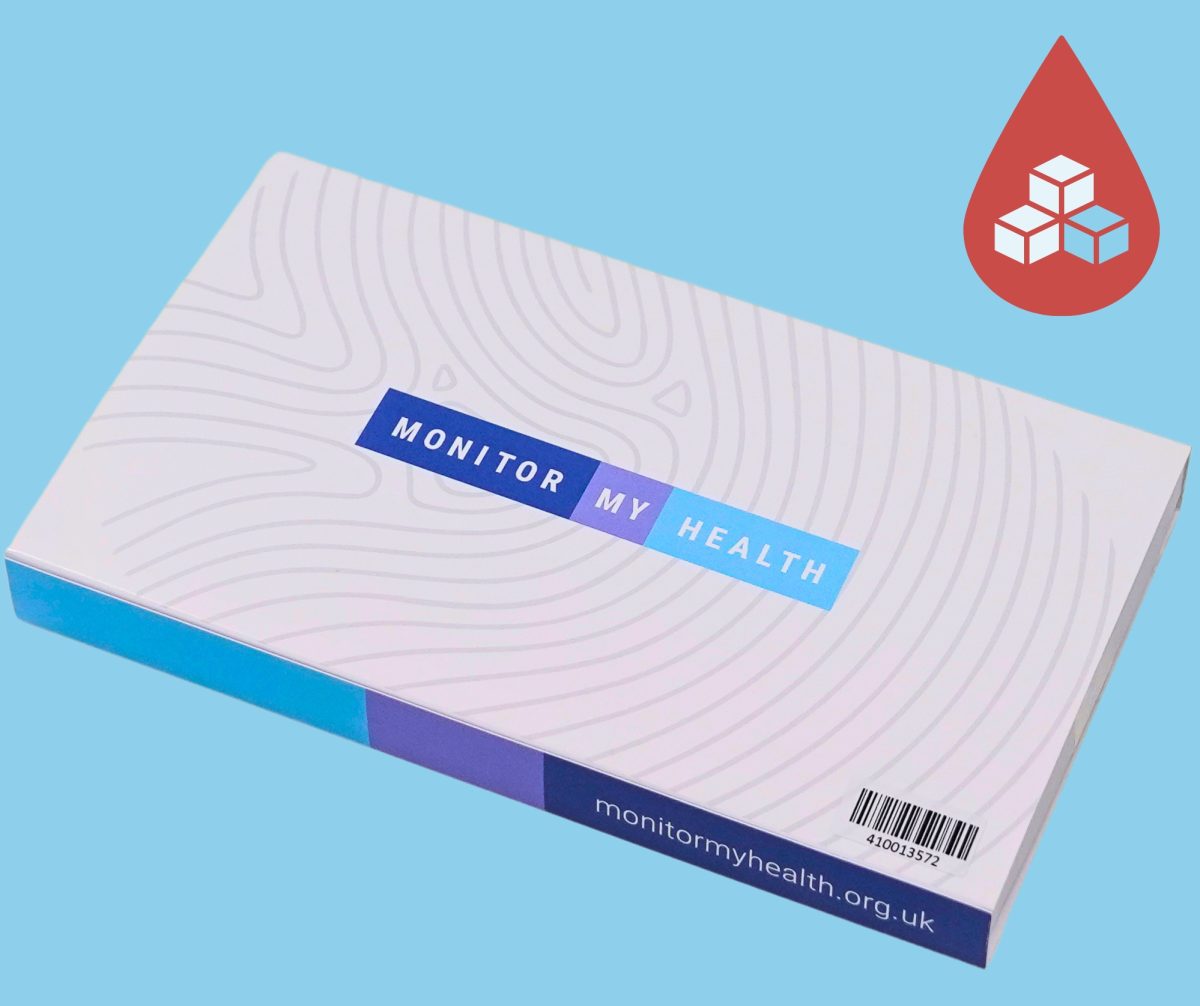
If price is your main concern, Monitor My Health's Diabetes Test is cheaper at £32 for the same single marker, and London Medical Laboratory's version is £45. There is no reason to choose Medichecks' own Driver's Lifestyle Blood Test instead, since it tests the same single HbA1c marker for £85.

How it works

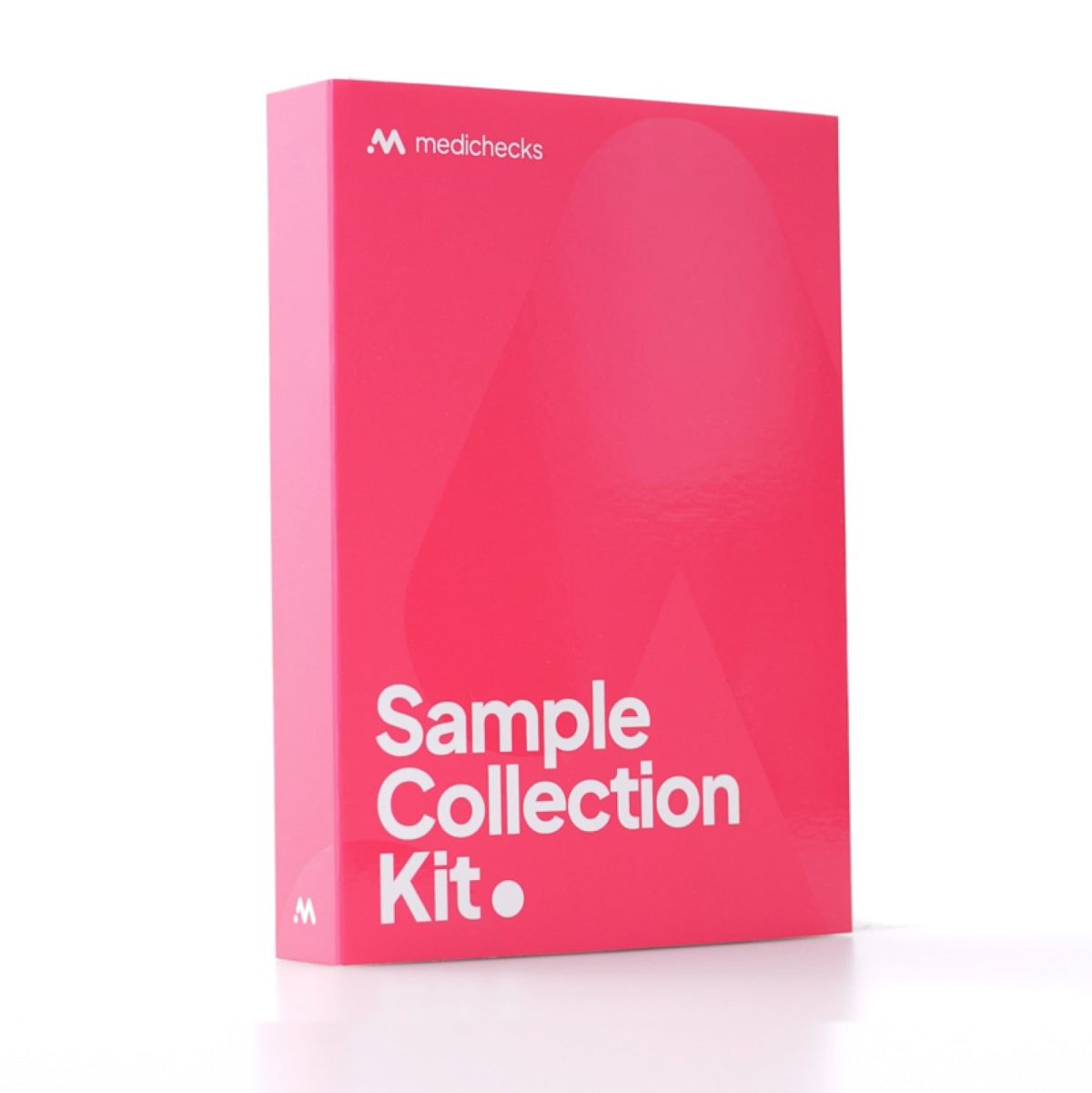
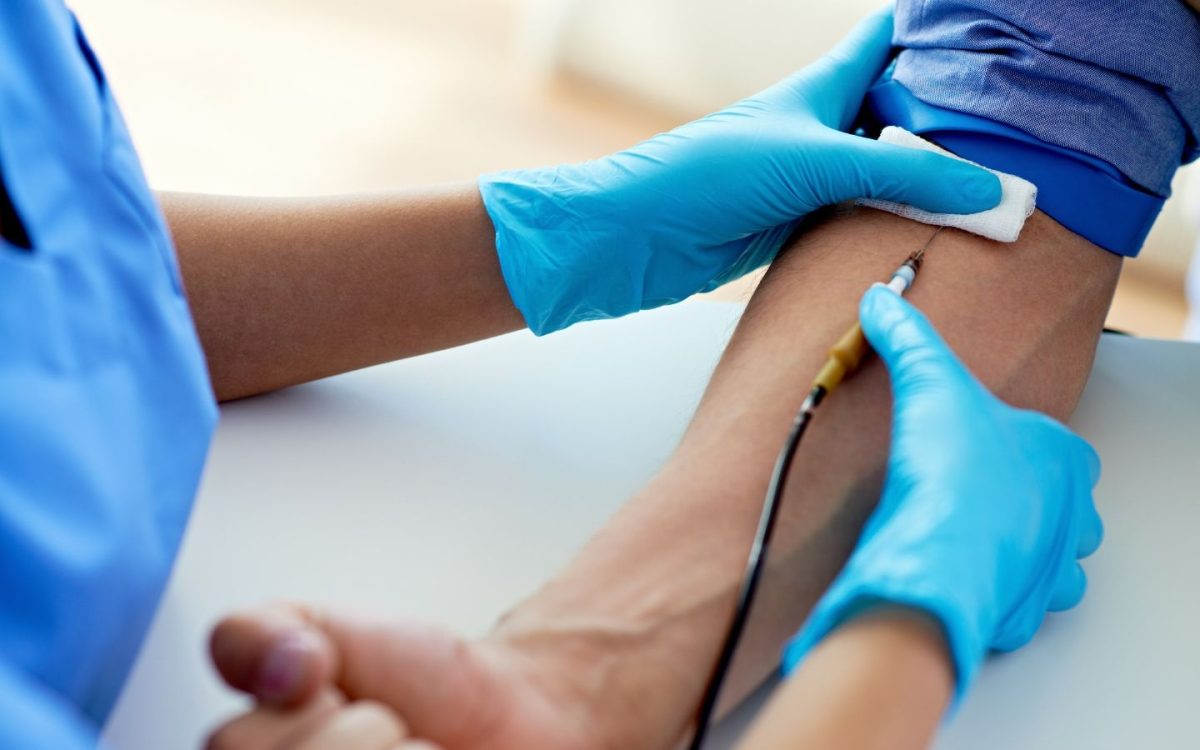
You can provide a sample at home with a finger-prick kit, or have a venous blood draw at a Medichecks clinic or via a home nurse visit. The lab analyses the sample for HbA1c, and Medichecks states results are typically back within 3 days, reviewed by a doctor before you see them.

Pros & cons

Pros

  • Priced at the median for HbA1c tests in our data, not a premium option
  • Can be done at home with a finger-prick kit
  • Results typically back within 3 days
  • Every result is reviewed and commented on by a doctor

Cons

  • Only one marker, so it cannot explain what is driving a high or low reading
  • Monitor My Health and London Medical Laboratory both offer the same marker for less
  • Medichecks sells the identical marker more expensively under a different product name

Our editorial score

Compare Health Test Score Mid-priced HbA1c check, but Monitor My Health is cheaper
Editorial confidence: 10.0/10

HbA1c, your average blood sugar over roughly the past two to three months, is the single marker this test measures, used to flag pre-diabetes and type 2 diabetes risk. At £46 it sits right at the median for the eight HbA1c tests we track, cheaper than Thriva (£51.30), Selph (£54) and Medichecks' own Driver's Lifestyle Blood Test (£85), but pricier than Monitor My Health (£32) and London Medical Laboratory (£45). The biggest caveat is that a single marker will not explain what is causing a raised or low reading.
Score breakdown

  • Clarity and documentation 8.0/10

    The listing publishes a short description, the full biomarker list, a stated turnaround, clear collection options, the sample type; it does not state what the report looks like.

  • Clinical depth 7.5/10

    A single-marker test measuring exactly what it sets out to; depth is not the point of this comparison group.

  • Collection convenience 8.0/10

    A finger-prick sample you take at home; with a venous or clinic option as well; a home nurse visit is offered; results in around 3 days, slower than similar tests.

  • Results and follow-up 7.0/10

    Results are reviewed by a doctor; the provider does not describe the report format.

  • Trust signals 9.5/10

    Trustpilot 4.5 from 2,477 reviews; accredited lab (UKAS ISO 15189 partner labs); doctor review as standard; trading 25+ years.

  • Value for money 6.5/10

    £46.00 against a comparison-group median of £46.00 (-0%).

Calculated 13 September 2026 from the facts we hold about this test and provider, using our published scoring formula. Scores are not hand-edited.

Compare with similar tests

This test belongs to our HbA1c test comparison group. See how it stacks up against equivalent tests from other providers.

View all →

Diabetes Test

Cheapest HbA1c diabetes test we compare

A single HbA1c blood test showing your average blood sugar level over the past 2 to 3 months, used to check for diabetes or prediabetes risk without fasting.

  • At-home test
8.2 / 10

HbA1c blood test

HbA1c test priced a little above the group median

A single HbA1c blood test that measures your average blood glucose over the past three months, commonly used to assess pre-diabetes and diabetes risk.

  • At-home test
7.9 / 10

HbA1c

HbA1c test near median price with flexible collection

Measures HbA1c, a marker of average blood glucose over recent weeks, using a finger-prick, clinic or nurse home visit blood sample; suited to people wanting to monitor blood sugar control or as a step toward assessing type 2 diabetes.

  • At-home test
7.9 / 10

Diabetes (HbA1c) Blood Test

Same single marker as rivals, priced above most

A single HbA1c blood test measuring average blood sugar over roughly the past three months, commonly used to assess risk of prediabetes and type 2 diabetes.

  • At-home test
7.8 / 10