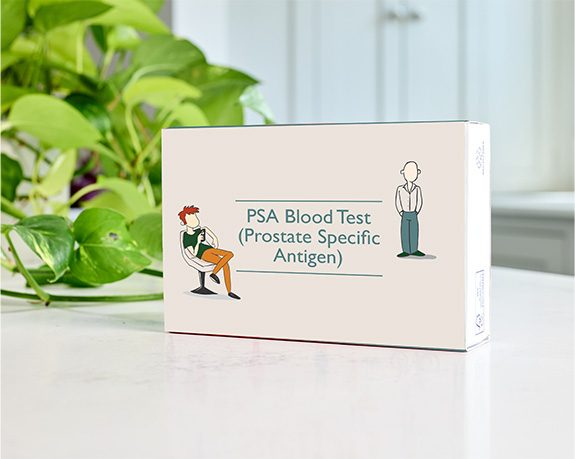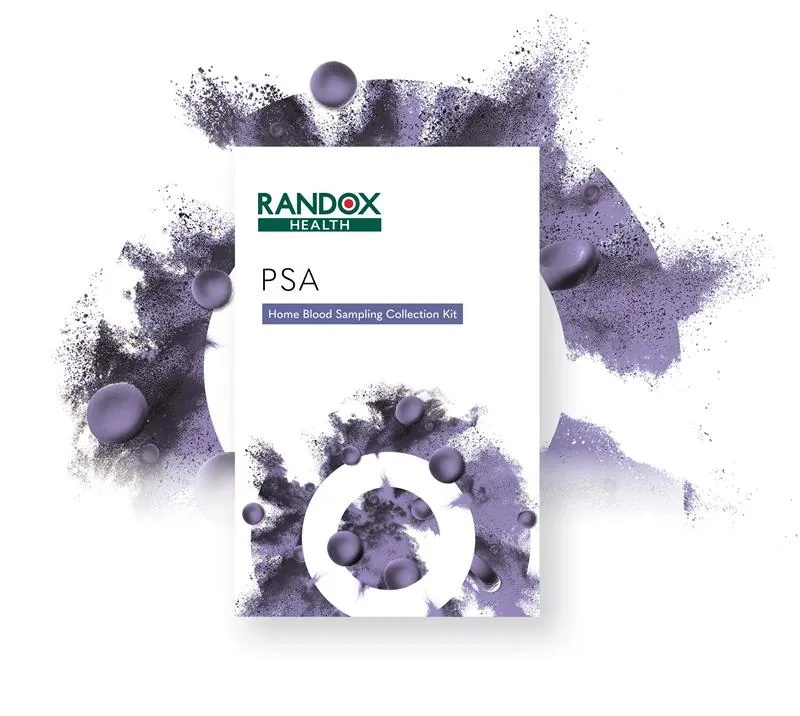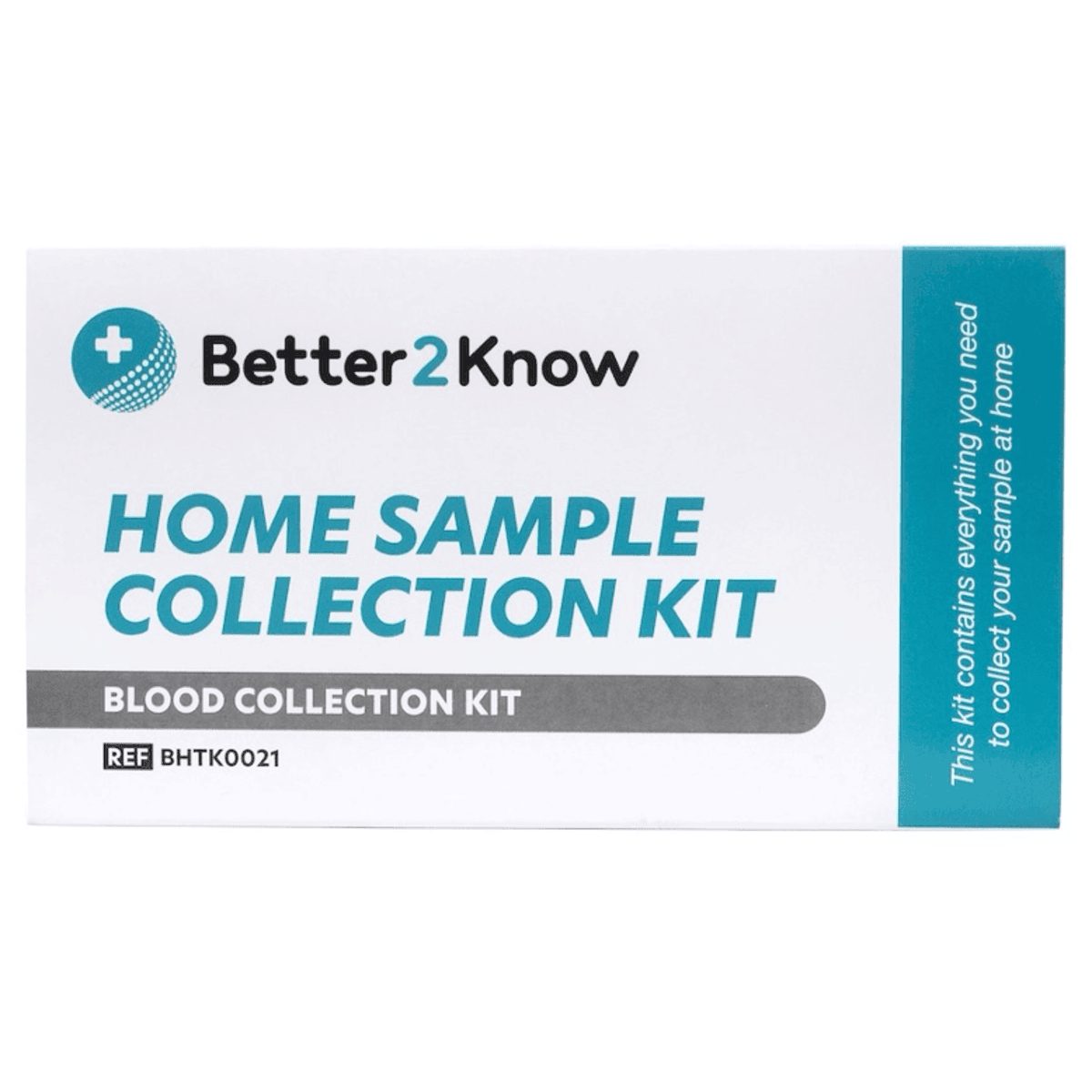
Prostate Health Self-Test

Maintaining prostate health is crucial for overall wellbeing, especially as men age. The Prostate Health Self-Test offers a proactive approach to monitoring potential issues by measuring Prostate-Specific Antigen (PSA) levels in your blood.

  • At-home test
  • Male
Sample
Blood
Collection
At-home rapid self-test (blood sample, results in minutes)
Results in
0 days
Biomarkers
1
Doctor reviewed
No
Tests for
  • PSA (prostate specific antigen)

Test specifications

Sample type
blood
Collection method
at-home rapid self-test (blood sample, results in minutes)
Turnaround time
0 days
Biomarkers tested
1
At-home test
Yes
Doctor reviewed
No
Gender focus
Male

What's tested

1 biomarker as listed by Check My Body Health.

  • PSA (prostate specific antigen)

About this test

Maintaining prostate health is crucial for overall wellbeing, especially as men age. The Prostate Health Self-Test offers a proactive approach to monitoring potential issues by measuring Prostate-Specific Antigen (PSA) levels in your blood. Here's why tracking PSA levels is important:

  • Age-Related Changes: As men age, the prostate naturally enlarges, potentially increasing PSA levels.
  • Post-Surgery Monitoring: For individuals who have had prostate surgery, monitoring PSA levels helps verify the success of the procedure and detect any recurrence.
  • Potential Pathologies: Elevated PSA levels may indicate conditions such as benign prostatic hyperplasia (BPH) or prostate cancer.

The prostate, a small gland below the bladder, is essential for producing part of semen. Changes due to aging or other factors may need medical attention. This test allows for early detection of such changes, enabling timely intervention and better management of prostate health.

Who Should Monitor Their Prostate Health?

  • Men Over 50: Prostate issues become more prevalent with age, so regular monitoring is recommended starting around this age.
  • Family History: Those with a family history of prostate conditions should be more vigilant with testing due to increased risk.
  • Experiencing Symptoms: Symptoms like frequent urination, difficulty urinating, discomfort, or blood in the urine indicate a need for regular testing.
  • Risk Factors: Men with risk factors such as a sedentary lifestyle, poor diet, or obesity should also keep a close watch on their prostate health.

Key information

  • Detects Prostate-Specific Antigen (PSA) levels in your blood.
  • Easy-to-follow instructions
  • Results in 5 minutes
  • Test in the comfort of your own home

Description provided by Check My Body Health.

Our editorial score

Compare Health Test Score
Editorial confidence: 10.0/10

Score breakdown

  • Clarity and documentation 9.0/10

    The listing publishes a detailed description, the full biomarker list, a stated turnaround, clear collection options, the sample type; it does not state what the report looks like.

  • Clinical depth 7.5/10

    A single-marker test measuring exactly what it sets out to; depth is not the point of this comparison group.

  • Collection convenience 8.0/10

    Can be done at home; results within 2 days.

  • Results and follow-up 4.5/10

    Results are not doctor-reviewed as standard.

  • Trust signals 7.0/10

    Trustpilot 4.0 from 13,695 reviews; accredited lab (UKAS accredited UK lab).

  • Value for money 10.0/10

    £14.99 against a comparison-group median of £59.00 (-75%).

Compare with similar tests

This test belongs to our PSA test comparison group. See how it stacks up against equivalent tests from other providers.

View all →

PSA Test

Our at-home prostate-specific antigen (PSA) blood test is suitable for men over 50, over 45 and of black ethnicity, or men who have a strong family history of prostate cancer.

  • At-home test
8.2 / 10