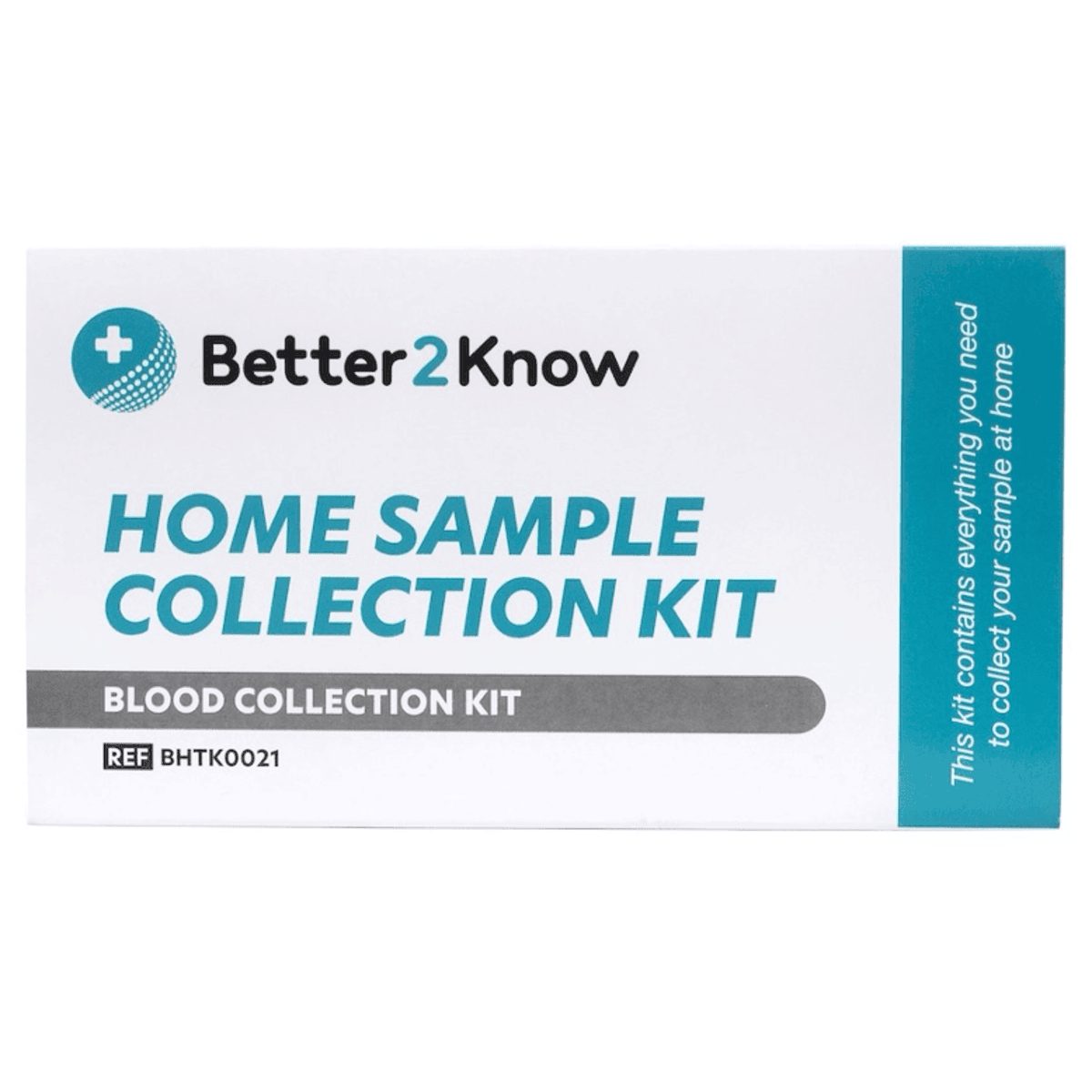
Use our at home PSA test kit to collect your blood sample and send it to our lab (which also tests for the NHS). In under a day we'll check your PSA level and send you an easy-to-understand doctor's report explaining how your PSA level influences prostate cancer risk and what you should do next.
Why you should take a PSA Test
- PSA is a blood test used by doctors to help identify people who may be at higher risk of prostate cancer. This is important as prostate cancer often causes no symptoms.
- Large studies of PSA screening programmes have shown that regular screening increases the chances of picking up prostate cancer before it has spread and reduces the chance of dying from prostate cancer.
- Guidelines support PSA testing from age 45+ (or 40+ if high-risk - black ethnicity or family history)
Signs you should take a PSA test - prostate cancer symptoms
Most prostate cancers do not cause any symptoms until they are large or have spread - this is why it's important to check your PSA even when you have no symptoms.
Symptoms of prostate cancer include:
- Difficulty starting urination.
- Weak or interrupted flow of urine.
- Urinating often, especially at night.
- Trouble emptying the bladder completely.
- Pain or burning during urination.
- Blood in the urine or semen.
- Pain in the back, hips, or pelvis that doesn't go away.
- Painful ejaculation.
What do the PSA blood test results mean?
Your PSA level needs to be interpreted in the context of your age because PSA naturally goes up as you get older due to the prostate increasing in size. The National Institute of Clinical Excellence (NICE) have suggested PSA thresholds for specific ages to trigger further investigation of the prostate (e.g. with an MRI scan).
Age PSA Threshold (µg/L) 40 - 49 >2.5 50 - 69 >3 70 and over >5
However, other guidelines recommend that all men with a PSA above 3µg/L undergo further investigations. We suggest that anyone with a PSA level over 3µg/L discuss this with their doctor.
A high PSA level doesn't mean you have prostate cancer but it does make prostate cancer more likely and you'll generally be advised to have a scan of the prostate to investigate further.
How accurate is a PSA blood test?
Someone's risk of prostate cancer is related to how high their PSA level is.
Population based studies have shown that a PSA level between 3 - 10 µg/L is associated with prostate cancer in around 1 in 4 men.
In contrast, a PSA level over 10 µg/L is associated with with prostate cancer in around 1 in 2 men.
However, it's important to bear in mind that about 1 in 7 men can have a normal PSA level and later be diagnosed with prostate cancer. This is why it's so important for men to monitor their PSA level regularly rather than just as a one-off.
5a-reductase inhibitors can falsely lower PSA levels so you need to adjust your result (doubling your PSA) if you take this medication.
Who is this test for?
- You're over 40 and would like to know your prostate specific antigen (PSA) level.
- You'd like a comprehensive report which will explain how your PSA level influences your risk of prostate cancer and give you advice on future screening.
- You'd like a simple, finger-prick blood test you can take at home.
Blood collection options
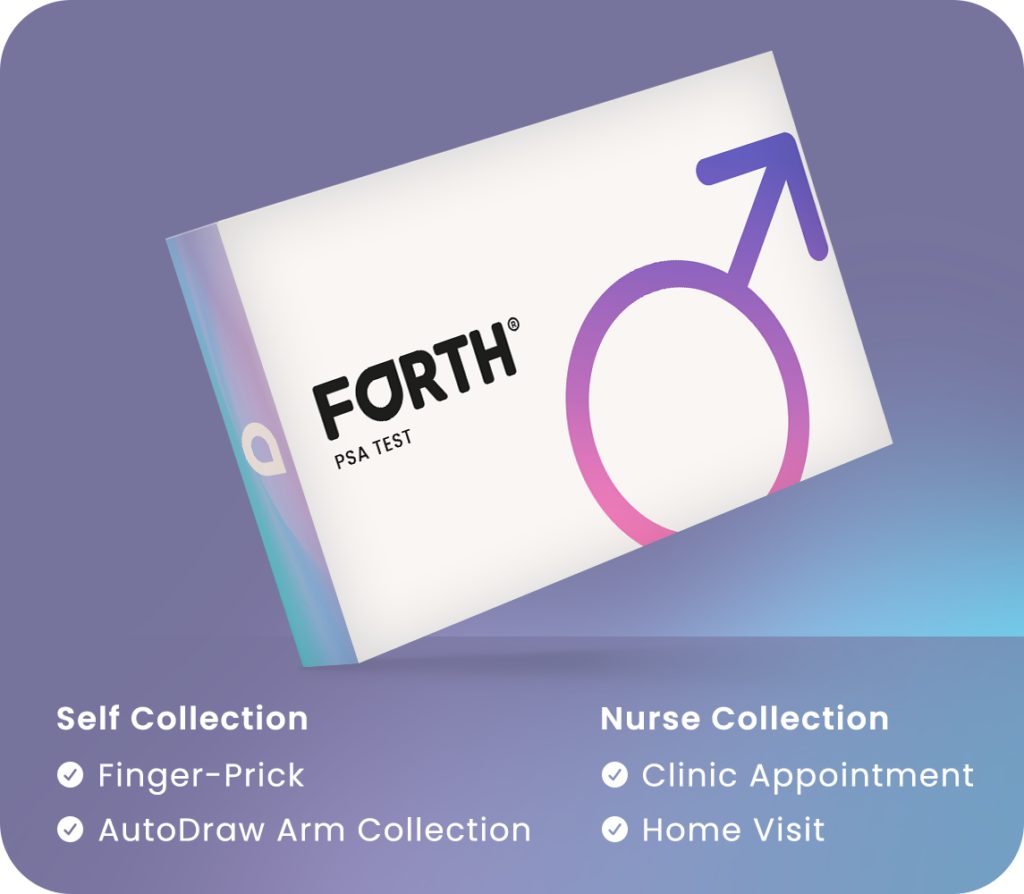
- Finger-prick blood collection (included)
- EasyDraw blood collection (+£25.00)
- Visit a clinic to have your blood taken (+£35.00)
- Book a venous draw at home or work with a nurse (+£70.00)
- Arrange your own venous blood draw (included)
Description provided by Selph.