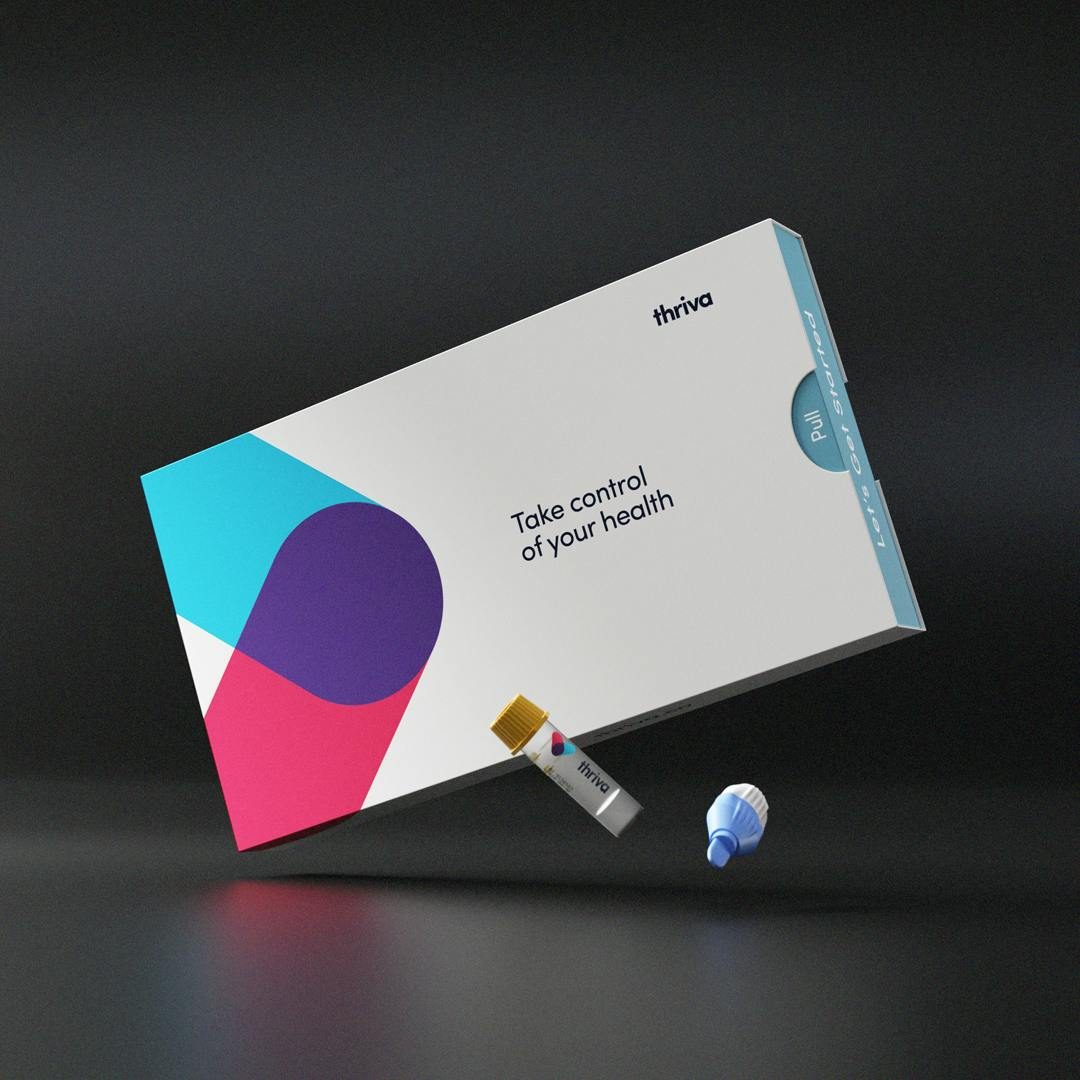
Analyse the levels of prostate specific antigen (PSA), free prostate specific antigen and the ratio between them as one way to check the health of your prostate.
Prostate cancer is the commonest cancer in men. Although no diagnosis can be made from PSA testing alone, abnormal results need to be further investigated.
What can I expect from Prostate Profile?
The Prostate Profile (Total & Free PSA) test is a blood test that measures the levels of two substances in your blood called prostate-specific antigens (PSA). PSA is produced by the prostate gland, which is a small organ in men located below the bladder.
This test has commonly been used to help detect prostate cancer. It is also very useful to monitor known prostate cancer cases.
This test measures two types of PSA: total PSA and free PSA. Total PSA refers to the overall amount of PSA in your blood, while free PSA refers to the amount of PSA that is not bound to other proteins. By comparing the levels of total and free PSA, doctors can get a better understanding of the likelihood of prostate cancer.
High PSA levels can be caused by ejaculating and other conditions, such as a benignly enlarged prostate or inflammation of the prostate.
You need to wait 48 hours after ejaculation before testing to avoid getting a high level due to this.
It is important to remember that this test is not very reliable. It does help with identifying cases of prostate cancer - and this is particularly true when men test themselves regularly and see increases over time, but there are many times when a high level is investigated and no cancer is found and other times when cancer is present with a normal PSA level.
Therefore, this test is not a definitive diagnosis for prostate cancer, but rather a tool to help doctors assess the risk and determine if further testing or monitoring is necessary.
It is often recommended for men over the age of 50 or those with a family history of prostate cancer to have a PSA done regularly and check for any changes in levels.
A PSA test (and a visit to a doctor) will be recommended If you have any symptoms of prostate problems such as
- Frequent urge to urinate.
- Need to get up many times during the night to urinate.
- Blood in urine or semen.
- Pain or burning urination.
- Painful ejaculation.
- Frequent pain or stiffness in lower back, hips, pelvic or rectal area, or upper thighs.
- Dribbling of urine.
Description provided by London Medical Laboratory.