Coeliac/Gluten Genetic Profile test

Tests for a coeliac disease marker from a blood sample. Despite the name, Better2Know's own description discusses tissue transglutaminase (TTA) antibody testing rather than a distinct genetic method.

Sample
Blood
Collection
Venous draw at clinic or nurse visit
Results in
10 days
Biomarkers
1
Tests for
  • Coeliac Disease

Test specifications

Provider
Better2Know
Sample type
blood
Collection method
venous draw at clinic or nurse visit
Turnaround time
10 days
Biomarkers tested
1
At-home test
No
Doctor reviewed
No
Gender focus
Both

What's tested

1 biomarker as listed by Better2Know.

  • Coeliac Disease

About this test

This test is named a genetic profile for coeliac disease, but Better2Know's own description mostly discusses testing for tissue transglutaminase (TTA) antibodies rather than detailing a distinct genetic marker, and only one biomarker, 'Coeliac Disease', is listed. Antibody tests like this are commonly used to help assess for coeliac disease in people with symptoms such as bloating, diarrhoea or unexplained weight loss, or a family history of the condition.

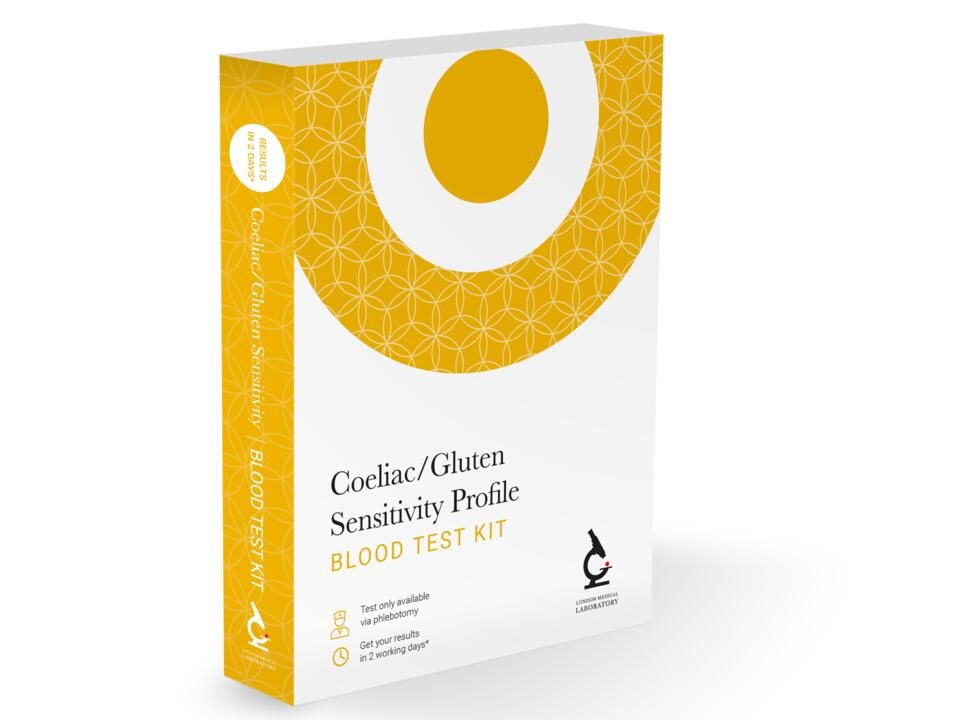
Within Better2Know's 'Coeliac test' comparison group, this is by far the most expensive option: £495 against a group median of £169, and £200 more than the next dearest listed test, Better2Know's own Coeliac/Gluten Sensitivity Profile at £295. It tests the same single marker as most of the cheaper options in the group.

The score is held back mainly by value for money and results and follow-up, both scoring poorly, since results are not doctor-reviewed as standard and the price sits far above the group median. Clarity scores well, since Better2Know publishes a full description, the biomarker, turnaround and collection details, even if the description does not match the 'genetic profile' name particularly closely.

Who is it for?

This is hard to recommend on the data alone: Better2Know's own Coeliac/Gluten Sensitivity Profile tests the same single marker for £200 less, and cheaper alternatives such as Selph's Coeliac Disease Blood Test (£63, 4 markers) or Medichecks' Coeliac Blood Test (£169, 2 markers) test more markers for a fraction of the price.

It may still make sense if you specifically want to test with Better2Know and are not focused on cost, but if you were expecting a specific genetic or DNA-based method based on the test's name, it's worth confirming directly with Better2Know what the test actually includes before you book.

How it works

You give a venous blood sample at a Better2Know clinic, with a home nurse visit also offered. Once the sample reaches Better2Know's laboratory, it is tested for the coeliac disease marker described in the listing. Results are available within around 10 working days, and Better2Know does not state that they are reviewed by a doctor as standard, though a private consultation can be arranged if the result is positive.

Pros & cons

Pros

  • Comes with a home nurse visit option if you'd rather not travel to a clinic.
  • Better2Know publishes a full description, biomarker and turnaround detail for this test.
  • A private doctor consultation can be arranged if your result needs discussing.

Cons

  • At £495, it's £200 more than Better2Know's own Coeliac/Gluten Sensitivity Profile, which tests the same single marker.
  • Nearly triple the £169 median price for tests in its comparison group.
  • Despite the 'genetic profile' name, the description provided does not detail a distinct genetic testing method.
  • Results are not reviewed by a doctor as standard, and turnaround is around 10 working days.

Our editorial score

Compare Health Test Score Nearly triple the median price for one coeliac marker
Editorial confidence: 9.5/10

At £495, this is the most expensive test in Better2Know's coeliac comparison group, £200 above the next dearest option and almost triple the group's £169 median. Despite being named a genetic profile, Better2Know's own description focuses on tissue transglutaminase antibody testing rather than a distinct genetic marker. Results take around 10 working days and are not reviewed by a doctor as standard.

Score breakdown

  • Clarity and documentation 9.0/10

    The listing publishes a detailed description, the full biomarker list, a stated turnaround, clear collection options, the sample type; it does not state what the report looks like.

  • Clinical depth 7.1/10

    1 biomarkers against a median of 1 across the 11 tests in its comparison group.

  • Collection convenience 4.0/10

    Requires a venous draw at a clinic; a home nurse visit is offered; results in around 10 days, slower than similar tests.

  • Results and follow-up 3.0/10

    Results are not doctor-reviewed and no consultation is included; the provider does not describe the report format.

  • Trust signals 6.5/10

    Trustpilot 4.2 from 775 reviews; CQC registered; trading 18+ years.

  • Value for money 2.0/10

    £495.00 against a comparison-group median of £169.00 (+193%).

Calculated 13 September 2026 from the facts we hold about this test and provider, using our published scoring formula. Scores are not hand-edited.

Compare with similar tests

This test belongs to our Coeliac test comparison group. See how it stacks up against equivalent tests from other providers.

View all →

Coeliac Disease Blood Test

Broad coeliac panel priced well below rivals

A 4-antibody blood panel used to assess for coeliac disease, covering tissue transglutaminase, endomysial and deamidated gliadin antibodies plus total IgA, for people with ongoing gut symptoms after eating gluten.

  • At-home test
9.4 / 10

Essential IBS Test

Broad symptom screen priced above the coeliac group median

A 4-marker blood and stool panel screening for coeliac antibodies, gut inflammation and H. pylori infection, for people with IBS-type symptoms who want other common causes checked alongside a GP assessment.

  • At-home test
8.3 / 10

Coeliac Blood Test

Market-median price, lighter on markers than some rivals

Checks for antibodies linked to the body's immune response to gluten, plus total IgA, to help assess whether coeliac disease could be a concern. Suits people with symptoms such as bloating or fatigue who still eat gluten.

8.3 / 10