Junior Food Intolerance Test

An at-home finger-prick IgG test for children aged 2 to 17, measuring reactivity to over 100 foods and drinks. Suited to families exploring whether a child's diet may be linked to symptoms.

  • At-home test
Sample
Blood
Collection
At-home finger-prick
Results in
7 days
Biomarkers
100
Doctor reviewed
No
Tests for
  • Coffee
  • Cow's Milk
  • Tea
  • Crustacean mix
  • Mollusc Mix
  • Oily Fish Mix
  • Plaice/Sole
  • Salmon/Trout
  • Tuna
  • White Fish Mix
  • Apple
  • Apricot
  • +48 more

Test specifications

Provider
YorkTest
Sample type
blood
Collection method
at-home finger-prick
Turnaround time
7 days
Biomarkers tested
100
At-home test
Yes
Doctor reviewed
No
Gender focus
Both

What's tested

60 biomarkers as listed by YorkTest, of 100 in total.

Drinks

  • Coffee
  • Cow's Milk
  • Tea

Fish/Shellfish

  • Crustacean mix
  • Mollusc Mix
  • Oily Fish Mix
  • Plaice/Sole
  • Salmon/Trout
  • Tuna
  • White Fish Mix

Fruit

  • Apple
  • Apricot
  • Avocado
  • Banana
  • Blackberry
  • Blackcurrant
  • Cherry
  • Coconut
  • Cranberry
  • Cucumber
  • Grape
  • Grapefruit
  • Kiwi
  • Lemon
  • Lime
  • Melon Mix
  • Olive
  • Orange
  • Peach
  • Pear
  • Pineapple
  • Raspberry
  • Strawberry
  • Tomato

Grains

  • Barley
  • Corn (Maize)
  • Gliadin (Gluten)
  • Hops
  • Millet
  • Oat
  • Rice
  • Rye
  • Wheat

Herbs and Spices

  • Chilli Pepper
  • Cinnamon/Clove
  • Coriander/Cumin/Dill
  • Ginger
  • Mint Mix
  • Mustard Seed
  • Nutmeg/Peppercorn
  • Parsley
  • Peppers (Capsicum)/Paprika

Meat

  • Beef
  • Chicken
  • Duck
  • Lamb
  • Pork
  • Turkey

Nuts and Plants

  • Almond
  • Brazil Nut

About this test

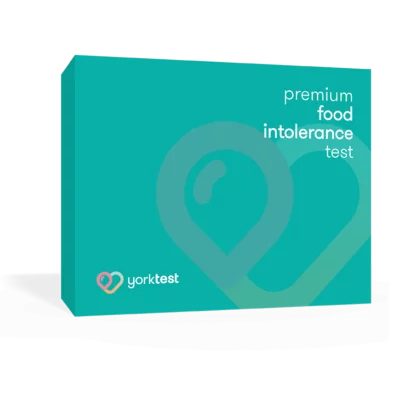
The Junior Food Intolerance Test measures IgG antibody reactions to over 100 individual foods and drinks, including common items such as milk, wheat, egg yolk and various meats and fruits. It is designed specifically for children aged 2 to 17, with support materials including a formal letter for the child's school and continued customer care guidance.

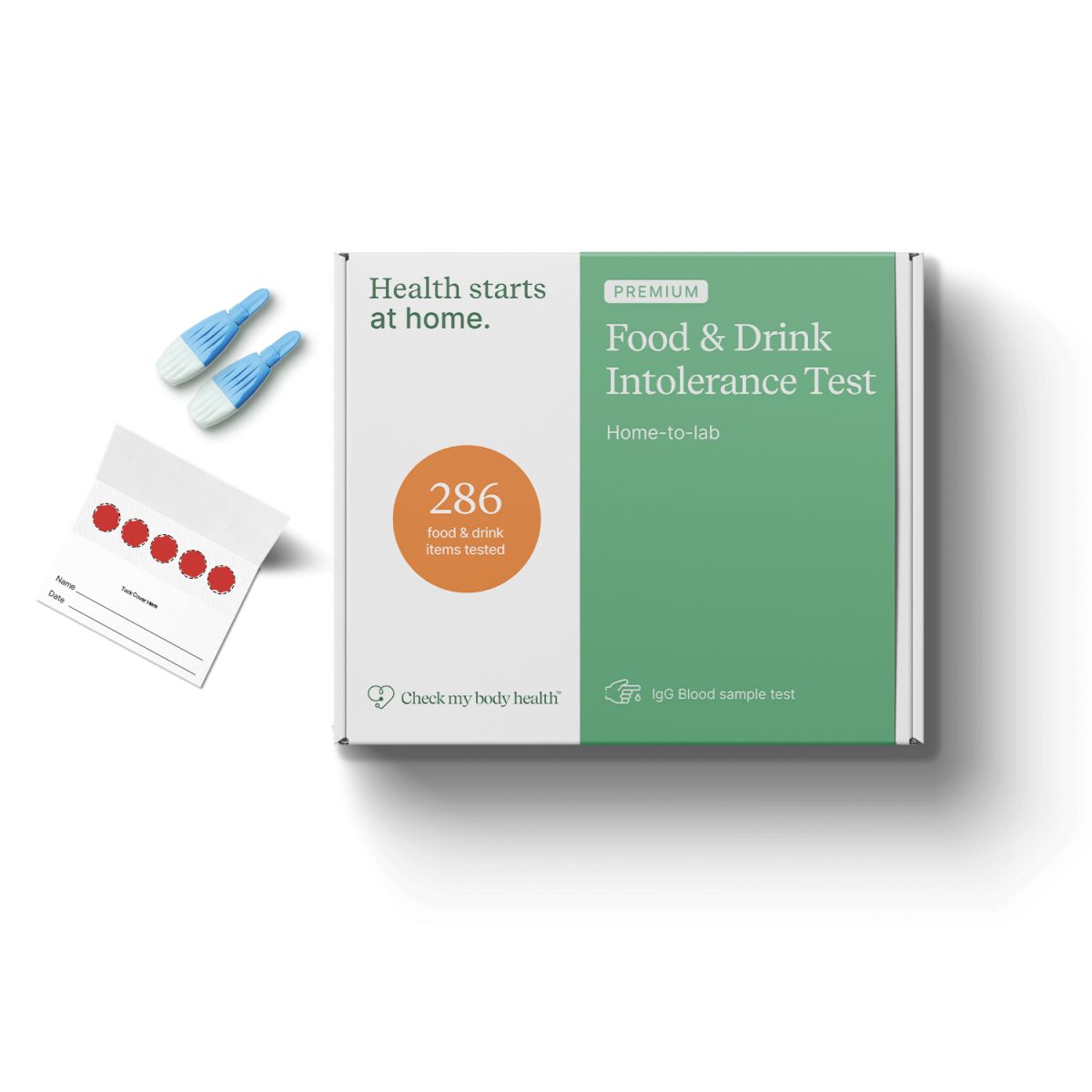
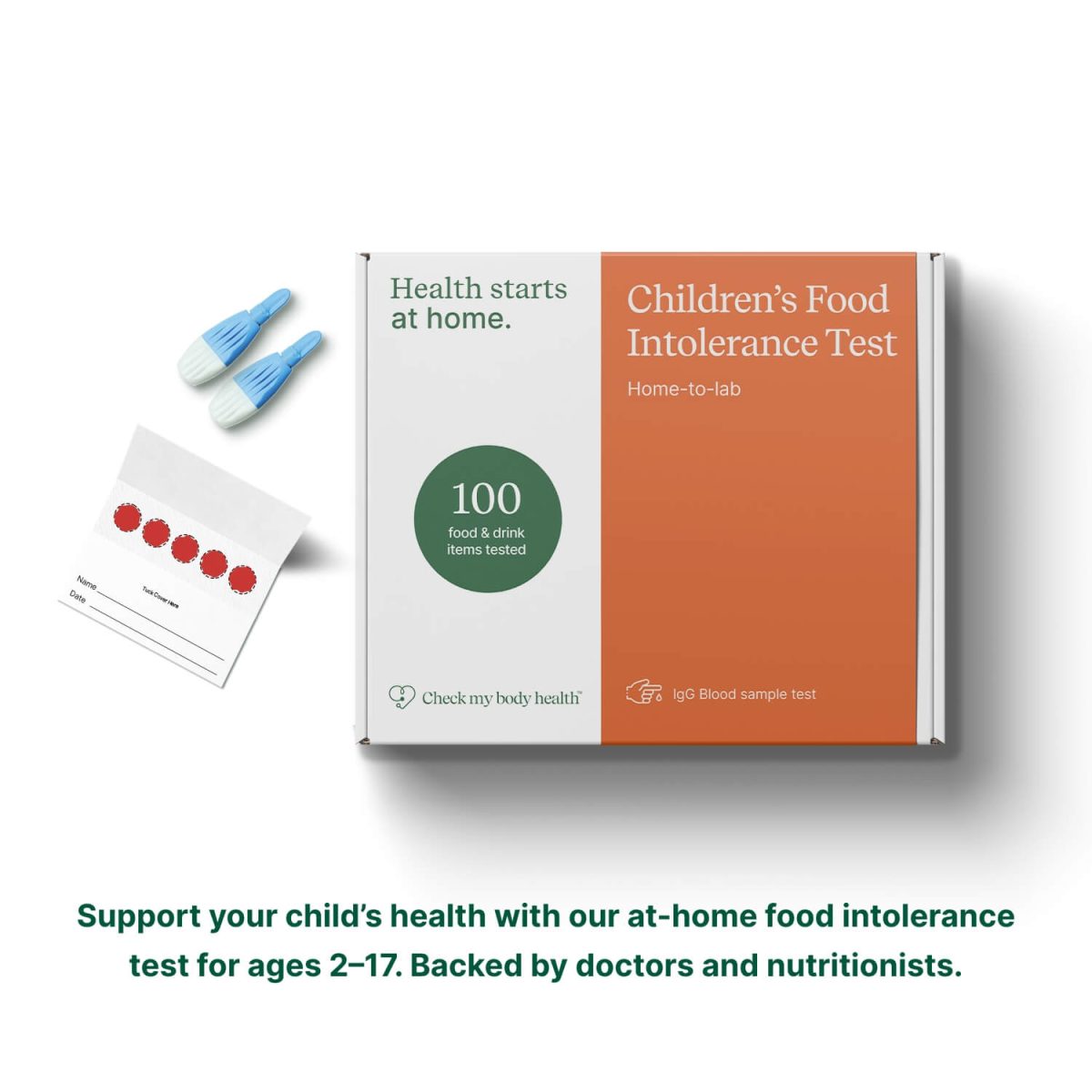
Within its food intolerance (IgG) comparison group, its 100 markers sit below the group median of 218, and its £132 price is close to the £139 group median. Against the one directly comparable named peer, Check My Body Health's Children's Food Intolerance Test, which also tests 100 markers, this test is £7 cheaper.

It scores reasonably for Clinical depth given its lower marker count relative to some intolerance panels, and well for Trust signals, reflecting YorkTest's Trustpilot rating of 4.8 from 3,257 reviews, its UKAS-accredited lab, and 44 years of trading. It scores lower for Results and follow-up because, as with all YorkTest tests, results are not reviewed by a doctor as standard, though an optional consultation with a Nutritional Therapist is available.

Who is it for?

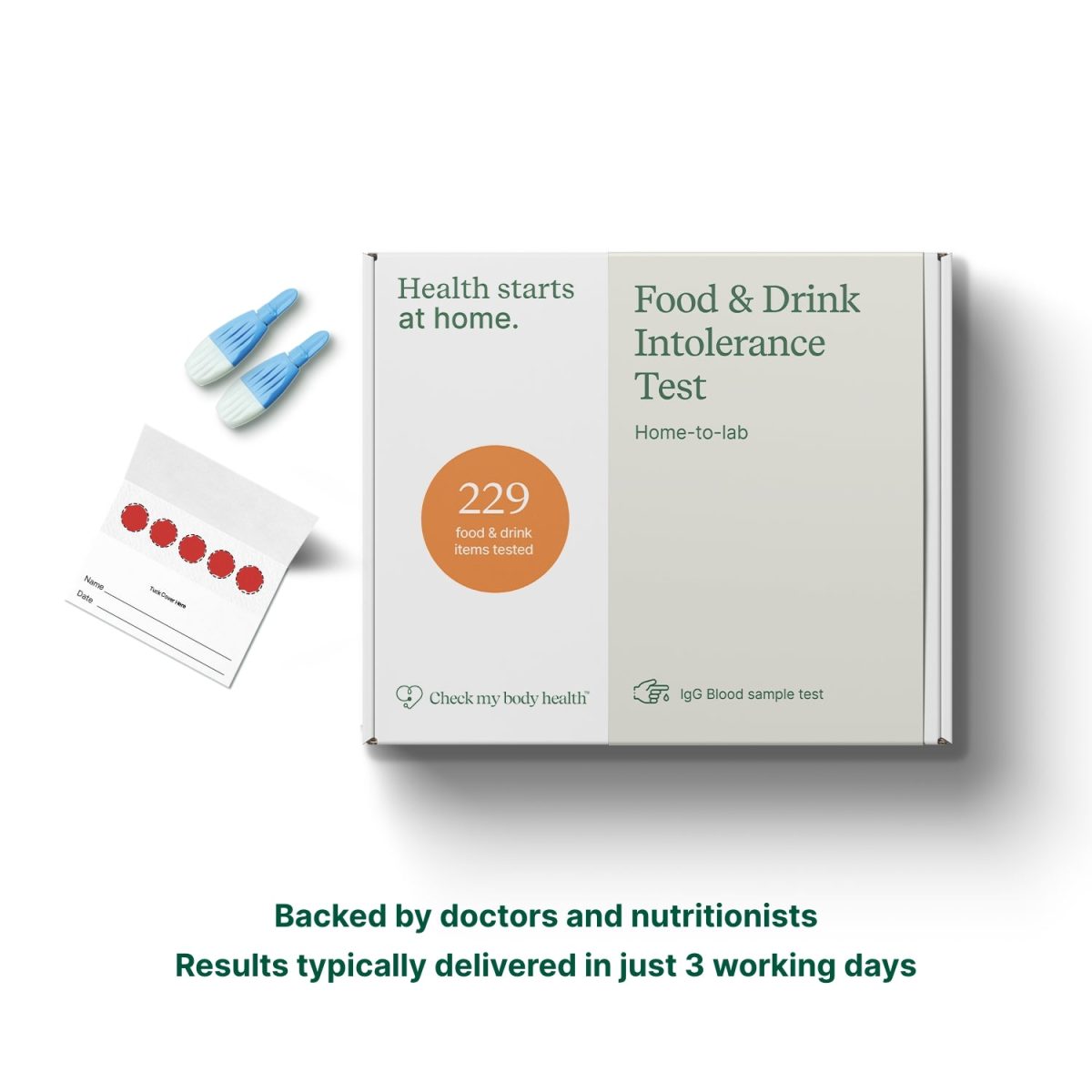
This suits parents or guardians who want to test whether a child's diet might be linked to symptoms, using the same 100-marker panel as Check My Body Health's Children's Food Intolerance Test but for £7 less. If you want a much larger panel and don't mind a different provider's methodology, Check My Body Health's Essential Food Intolerance Test covers 229 markers for £169, though panel sizes vary widely between providers and are not directly comparable marker-for-marker. It is not the right choice if you want a doctor to review your child's results as standard.

How it works

Your child takes an at-home finger-prick blood sample, suitable from age 2 to 17, which is returned to YorkTest's laboratory for IgG analysis. Results are provided as traffic-light intolerance values within a stated 7 days, alongside a formal letter that can be given to the child's school if needed. An optional 30-minute consultation with a Nutritional Therapist is available to discuss the results. Results are not reviewed by a doctor as standard.

Pros & cons

Pros

  • Tests IgG reactivity to over 100 foods and drinks, designed specifically for children aged 2 to 17.
  • £7 cheaper than Check My Body Health's like-for-like 100-marker Children's Food Intolerance Test.
  • Includes a formal letter for the child's school and an optional Nutritional Therapist consultation.
  • Simple at-home finger-prick sample, no clinic visit required.

Cons

  • Tests fewer markers than some other providers' intolerance panels, though methodologies vary widely.
  • No doctor review of results as standard.

Our editorial score

Compare Health Test Score Child IgG panel priced just under a like-for-like rival
Editorial confidence: 10.0/10

Priced at £132, the Junior Food Intolerance Test measures IgG reactivity to over 100 foods and drinks for children aged 2 to 17. That is £7 below Check My Body Health's Children's Food Intolerance Test, which tests the same number of markers for £139, and close to the £139 median for its comparison group. Results are not reviewed by a doctor as standard.

Score breakdown

  • Clarity and documentation 9.0/10

    The listing publishes a detailed description, the full biomarker list, a stated turnaround, clear collection options, the sample type; it does not state what the report looks like.

  • Clinical depth 6.2/10

    100 biomarkers against a median of 218 across the 12 tests in its comparison group.

  • Collection convenience 6.0/10

    A finger-prick sample you take at home; results in around 7 days, slower than similar tests.

  • Results and follow-up 3.0/10

    Results are not doctor-reviewed and no consultation is included; the provider does not describe the report format.

  • Trust signals 8.5/10

    Trustpilot 4.8 from 3,257 reviews; accredited lab (UKAS accredited own lab (ISO 13485)); trading 44+ years.

  • Value for money 6.9/10

    £132.00 against a comparison-group median of £139.00 (-5%).

Calculated 13 September 2026 from the facts we hold about this test and provider, using our published scoring formula. Scores are not hand-edited.

Compare with similar tests

This test belongs to our Food intolerance (IgG) test comparison group. See how it stacks up against equivalent tests from other providers.

View all →

Body Intolerance Test

Most markers in its group, priced well below the median

A hair-sample test screening reactivity to 1,500 food and non-food items, intended to give informational insights into possible dietary and lifestyle triggers rather than a clinical diagnosis.

  • At-home test
8.4 / 10